

How Tim Alagushov Scaled IRBIS Air, Plumbing & Electrical from Zero to $1M in Its First Year
In this interview, Tim Alagushov, Co-Founder and CEO of IRBIS Air, Plumbing & Electrical, shares how he and his co-founder built a Bay Area home services company that crossed $1M in its first year. From leveraging local SEO and transparent pricing to building strong systems and a trusted brand, his journey reveals how discipline, operational focus, and customer-first service can turn a small startup into a fast-growing home services business.
1. Tell us your name, your company name, and what your business does.
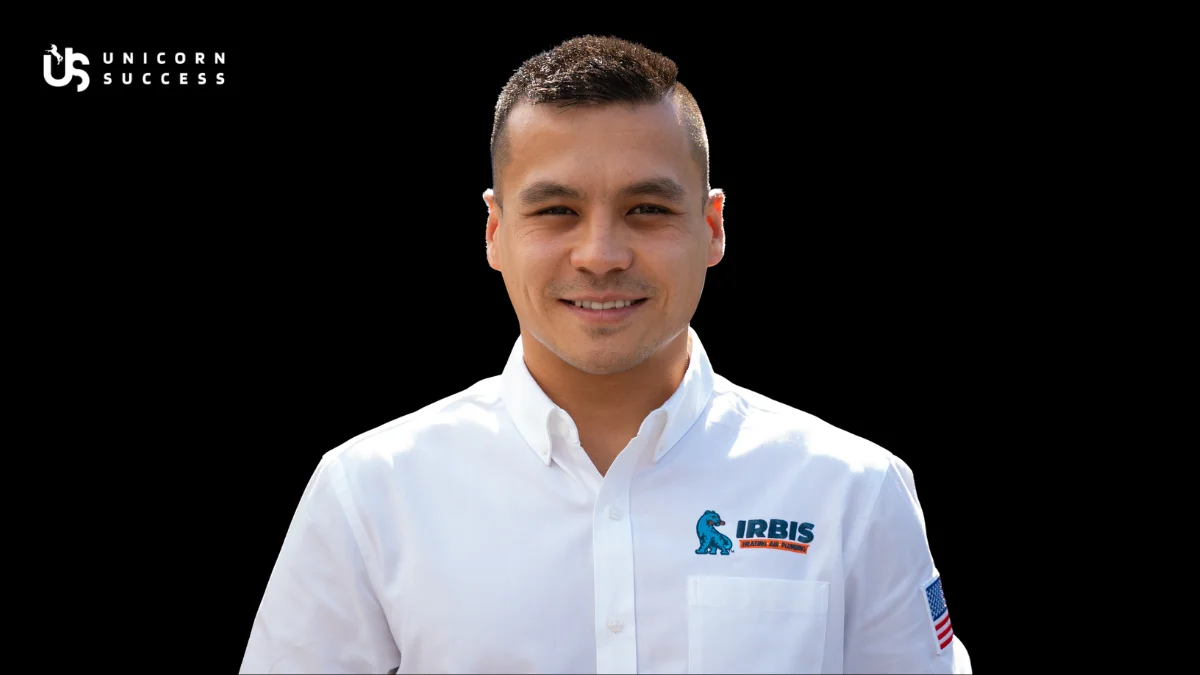
My name is Tim Alagushov. I’m the co-founder and CEO of IRBIS Air, Plumbing & Electrical, a home services company based in San Jose, California. We do HVAC, plumbing, electrical, and water heating for homeowners across the Bay Area.
My job is marketing, operations, and customer experience. The problem we solve is simple: most home service companies are hard to trust. Pricing is unclear, communication is poor, and the experience feels outdated. We built IRBIS to be different.
2. What inspired you to start this business?
In 2018, my co-founder Vadim Vechkanov was working as a technician at another home services company. He knew I was into entrepreneurship and came to me with the idea. I spent about a week researching the industry and found that HVAC companies had terrible websites, bad reviews, and zero transparency on pricing.
Some were even charging customers different rates based on what they thought they could get away with. That bothered me a lot. I saw clear problems that could be fixed, and we started right away.
The name IRBIS also felt personal. Irbis means snow leopard in Turkic, and the snow leopard is native to Kyrgyzstan, where we are both from. It lives in extreme mountain conditions and adapts perfectly. For us it represents resilience and the ability to handle whatever comes.
3. Did you have a background in this industry before starting out?
No, I came from marketing, not the trades. Vadim handled all the technical work in the field. My side was the business: building the website, setting up our online presence, managing bookings, and thinking through the customer experience. Not having a technical background turned out to be useful. I focused on the parts of the business most HVAC companies completely ignore.
4. How did you land your first few customers?
I built our website from scratch and focused on Google from day one. Local SEO, Google Business profile, making sure we looked credible online. In an industry where most competitors had outdated sites and no real online presence, just showing up properly was enough to stand out early on. Vadim did every job himself at first while I handled bookings and operations. Within a few months we had our first employees and kept growing from there.
One early moment I still remember: we landed a project at an airport right after we launched. We were not ready for something that size, but we figured it out and delivered. After that we stopped underestimating ourselves.
5. What was your business model when you started, and has it changed?
We started as HVAC only. Simple model: show up professionally, price fairly, treat customers like people. No hidden fees, no different rates for different customers. Over time we expanded into plumbing, electrical, and water heating so we could serve homeowners more completely.
We also built the IRBIS Home Care Plan, a maintenance subscription that keeps us connected to customers year round. The model grew a lot but the core positioning never changed: the home services company you would actually recommend to your family.
Related: How Louis Ducruet Scaled Eprezto Into a $1M+ Online Insurance Company in Just 2 Years
6. What was your timeline to $1 million in revenue?
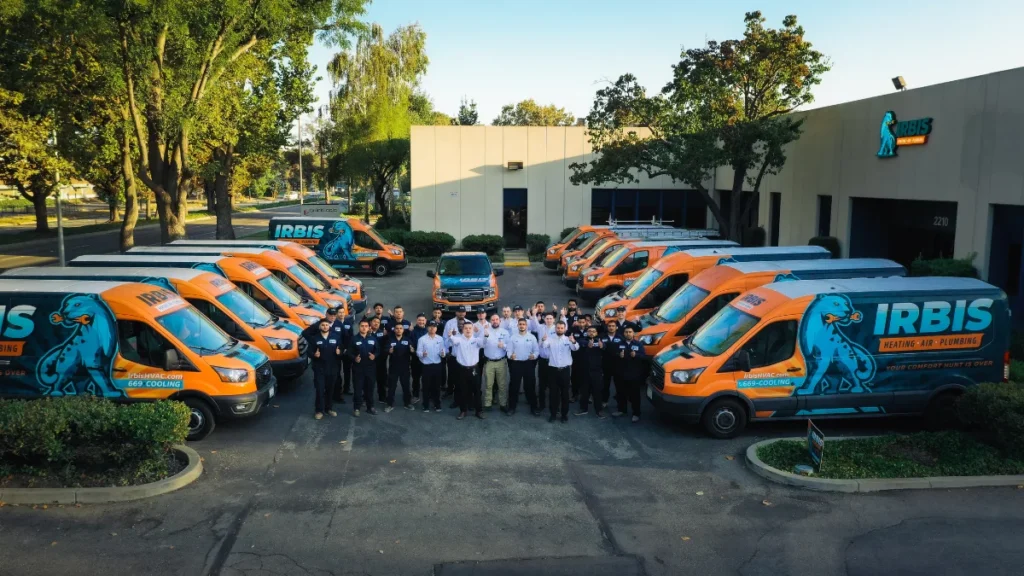
We started in 2019 with zero customers and just the two of us. By the end of that first year we had crossed $1 million in revenue. Almost immediately customers started leaving good reviews, and within a few months we hired our first employees. It moved faster than we expected.
7. What was the biggest turning point in your growth?
When COVID hit, we already had our online presence built and were ready for the surge in demand. We grew two to three times over that period. It was also the hardest stretch because our systems were not where they needed to be. A lot of operational problems had to get solved in real time. Looking back, working through that pressure built a lot of the foundation we still run on today.
8. What marketing channels worked best for getting to $1M?
Google Local Services and Yelp were the foundation, along with referrals, lead generation, and Thumbtack. I personally answered every message and call in the early days. We made sure to collect reviews on every platform where customers found us, and that helped us climb to the top of search results.
Local SEO drove most of our early inbound. But what separated us was what happened after someone found us. We worked on every step: how calls were answered, how technicians communicated on site, how estimates were presented, how follow-ups were handled. Each small improvement added up.
Later we invested in video content on YouTube, Instagram, and TikTok to show people who we actually are. That transparency builds trust before anyone calls. Today we have over 1,400 Google reviews at 4.9 stars.
9. What were the top 3 challenges you faced while scaling?
First, hiring the right people. Finding technicians who share your values, not just your skill set, is genuinely hard. We worked on building the best working environment in our market, developed a real brand with a recognizable look and truck wraps, and stayed active on social media. People started noticing us. We learned to hire for character first and train for skill.
Second, operational complexity. When you are small you can hold everything in your head. As we added services and expanded our service area, we needed real systems for job costing, scheduling, and inventory. We had to build those proactively.
Third, financial management. Home services is high volume and high expense. Getting a proper accountant and controller earlier would have saved us a lot of stress.
10. Was there a moment you felt like quitting?
A couple of times. In mid-2019 things were slow and my partner had doubts about whether the business was going to work. That same day we set up Google Local Services and things started turning around.
The second time was in 2024. Sales were weak, our pricing had drifted out of step with the market and we noticed late, and we had debt to deal with. We had to restructure and take a hard look at our finances. It was a difficult period, but the decisions we made during it ended up being some of the better ones we have made.
Honestly, that feeling of doubt shows up in some form almost every day. What gets you through it is not motivation. Motivation does not last. It is discipline. You stay busy, sleep well, and wake up the next morning and do what needs doing. Finishing two Ironman races taught me something similar: the discomfort does not go away, you just get better at moving through it.
11. What is one early mistake that taught you something important?
We did not set up inventory tracking or get the right CRM system early enough, and it cost us financially down the line. More broadly, we waited too long to build proper financial systems and team structure. In the beginning you think you can manage everything yourself.
You cannot. The sooner you accept that and start building real infrastructure, the faster things move. Get your accounting right from month one and hire ahead of need, not behind it.
Related: How Saurabh Bhatt Scaled Supportsoft to $1.3M Empowering SMEs with Scalable Tech
12. What is one thing about hitting your first $1M that no one talks about?
A lot of home services companies do not treat every customer as if they matter. We made that a real focus and stayed with it even on the hardest calls. Beyond that: revenue does not come from leads. It comes from systems.
Everyone obsesses over getting more traffic and more calls. But if your booking rate is low and your technicians are not presenting estimates well, more leads just means more wasted opportunity. The real leverage is in optimizing the engine you already have.
13. How did your role evolve as the business grew?
In the beginning I was everything: website builder, booking agent, operations manager, customer service rep. Over time I had to let go of execution and focus on building the team and the systems. Today we have field technicians, a comfort advisor handling sales, an operations manager, an accountant, a warehouse lead, and an overseas team for customer service and project management. My job became building the structure that lets good people do good work.
14. If you had to start over, what would you do differently?
Track job costing from day one so every job closes in profit for the company. We did not know to do that early on and it matters a lot. Beyond that: set up financial infrastructure properly from the start, build the team faster, and invest in video content even earlier. Showing people who you actually are builds trust at a scale no ad can match.
15. Where is IRBIS today and what comes next?
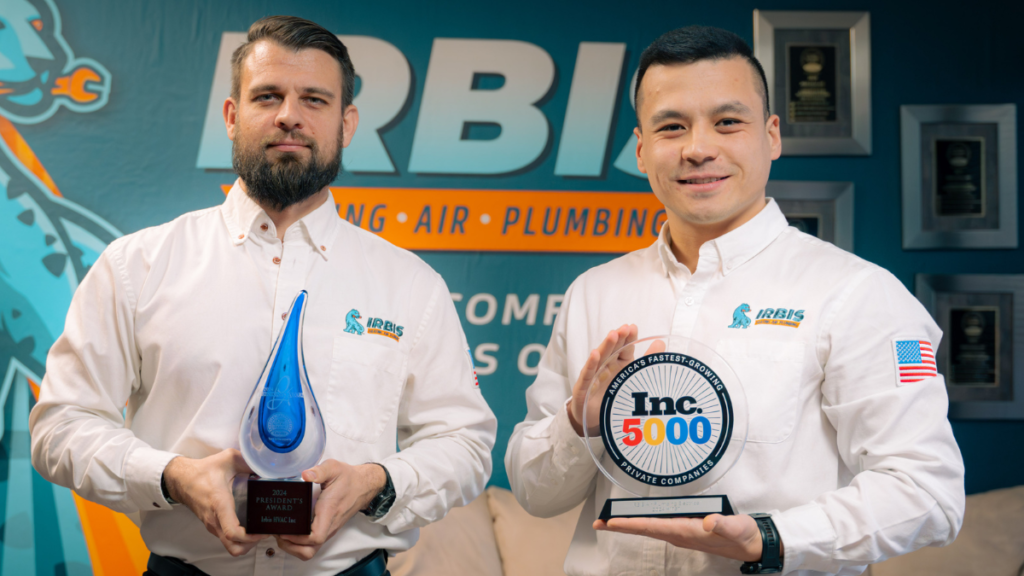
IRBIS has grown into a multi-million dollar operation covering HVAC, plumbing, electrical, and water heating across the Bay Area. We are an INC-5000 company, a Carrier Factory Authorized Dealer and President Award winner, and a Yelp 5-Star Business.
We have a full team including field technicians, sales, operations, and a remote support team. Right now we are focused on deepening our systems, growing our Home Care Plan membership, and expanding our service area. Our next goal is to open new locations and become the most recognizable home services company in the Bay Area.
16. What are you currently focused on in the business?
Getting our processes tight at every level, the way a franchise operation would run it. Every team member should have clear training, transparent procedures, and the company should be profitable at every step. On the content side we are expanding our video presence across YouTube, Instagram, and TikTok because I think content is the most scalable trust-building asset a service business can own.
17. Do you still feel connected to the original mission?
Completely. When a customer says it felt different working with IRBIS, that they actually felt cared for and not just serviced, that still means something. We position ourselves as a mid-range company with above-average service. We hold to that and make sure every recommendation we give is actually right for that customer and their home.
18. Best piece of advice for hitting your first $1M?
Learn your marketing and own your numbers. Do not outsource accountability. If you understand your cost per lead, your booking rate, your average ticket, and your margins, you can make real improvements every month.
The first million is rarely about the idea. It is about understanding your distribution, controlling your unit economics, and refusing to hand off responsibility before you have mastered it yourself.
19. Any books, habits, or tools that helped?
Fitness has been a foundation for me. Finishing two Ironman races taught me more about persistence and mental resilience than any book. Staying curious about technology is also a habit worth building.
The industry is changing fast and curiosity is a real competitive advantage. Invest in proper business management software early and build your online reputation like it is your most valuable asset, because for a service business it is.
20. Final Advice
Every action you take every day is building your reputation with your community. People think branding is a logo or an ad campaign. It is not. It is the sum of every call you answer, every job you complete, and every review you earn.
It compounds in both directions. Most people do not appreciate this until it is too late. Treat every interaction as if it will be shared. Keep caring about the quality of what you put out, because the market always reflects it back.
Inspired by Tim Alagushov’s journey ? Share this story with a fellow founder. It might be the push they need to build something they’re proud to stand behind.
At Unicorn Success, we spotlight fearless founders and Zero to Million . Have one of your own? Submit it through our contact form—your journey could inspire entrepreneurs around the world.
