

How Brandon Leibowitz Built SEO Optimizers Into a $1M+ Digital Marketing Agency
Discover how Brandon Leibowitz turned SEO Optimizers from a part-time side hustle into a $1M+ digital marketing agency. This interview—and his story—is a masterclass in consistency, education-driven growth, and building long-term client trust in one of the most competitive industries in the world.
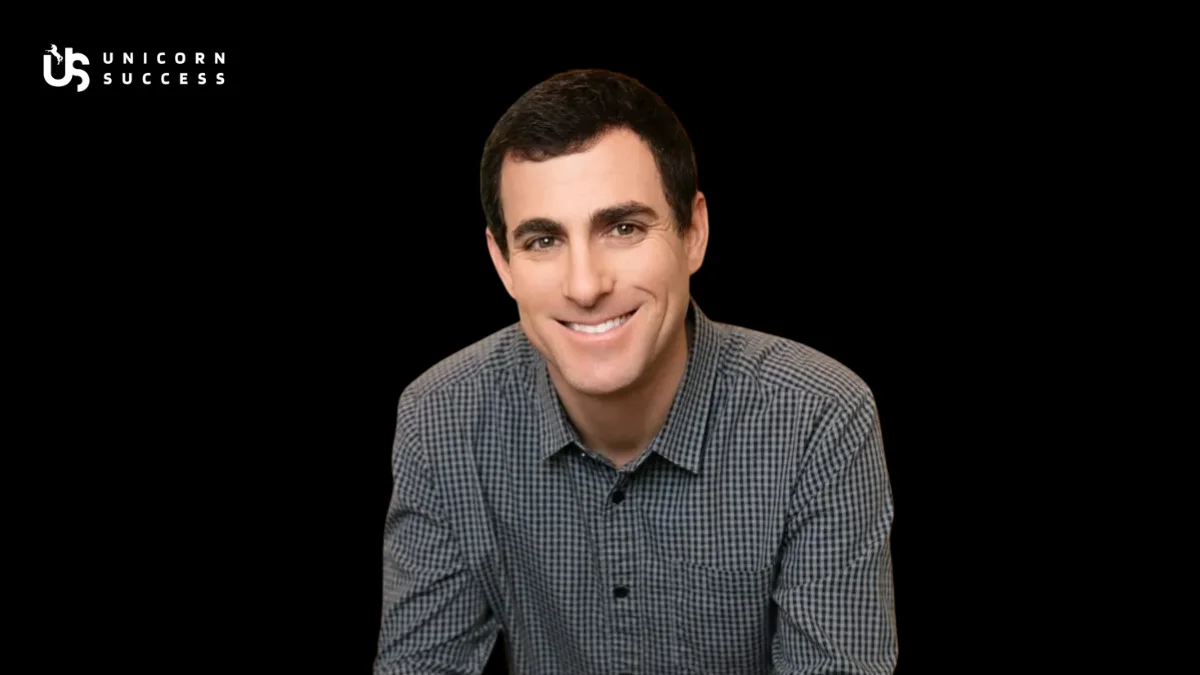
My name is Brandon Leibowitz, and I’m the founder of SEO Optimizers, a digital marketing agency based in Los Angeles. I specialize in helping businesses get more traffic, more visibility, and more leads from Google without relying on ads.
At its core, SEO Optimizers exists to solve a simple but painful problem:
Most businesses have great products or services, but nobody can find them online.
Search engine algorithms change constantly, competition increases every year, and most business owners don’t have the time or expertise to keep up. My company steps in to fix that.
I focus on three main areas:
- Search engine optimization to improve rankings and organic traffic
- Backlink building to increase authority and trust
- Google Ads management to generate fast, profitable leads while SEO grows
My role today includes leading strategy, managing client campaigns, training teams, and staying ahead of the latest SEO and AI trends. Over the years, I’ve helped thousands of business owners understand how search works, build authority online, and turn their websites into revenue-generating assets.
What Sparked the Start
I started SEO Optimizers back in 2007. At the time, I was working at an e-commerce company doing everything from email marketing, running ads, updating the website, and learning SEO on my own nights and weekends. I had no formal training, just curiosity and a willingness to test things.
The turning point was when I realized one simple truth. SEO consistently brought in more traffic and sales than every other marketing channel combined.
We weren’t spending a dollar on ads, yet organic traffic kept growing month after month. And most importantly the leads were high-quality and converted. That was my lightbulb moment.
I saw two major gaps in the market at the time:
- Most businesses had no idea how SEO worked or how much money they were leaving on the table.
- Agencies were charging huge retainers but not actually educating clients or doing the work transparently.
I wanted to build a business that did the opposite, where clients actually understood what we were doing, why it mattered, and how it affected their bottom line. My goal was simple:
Make SEO accessible, understandable, and profitable for the average business owner.
So I started freelancing after work, helping small businesses rank higher on Google. The demand kept growing, referrals kept coming, and over time I transitioned into doing this full-time. What started as helping a few local businesses turned into a full agency working with companies around the world.
Even today, what inspires me is the same thing that motivated me on day one. Seeing a business owner get results that change their revenue, their confidence, and sometimes even their entire company trajectory.
Learning the Industry from Scratch
I didn’t have a formal background in SEO when I started. I learned everything hands-on while working at an e-commerce company managing their digital marketing. SEO was just one part of my job, but it quickly became the most effective channel. And the one I was most curious about.
In the early days, the skills that helped me most were adaptability, problem-solving, and a willingness to experiment. SEO changes constantly, so being able to test, analyze, and adjust was more valuable than any degree. I also spent years studying analytics, backlinks, keyword research, and Google’s updates, which helped me get real results early on and build trust with clients.
Also Read: How Qi Cao Bootstrapped Chargeblast to $1M in Revenue in Just 12 Months
Landing the First Clients
In the beginning, I didn’t have a network, a brand, or any marketing budget. What I did have was a willingness to hustle and learn. My first few clients came from a mix of cold outreach, freelance platforms, and helping friends and family who owned small businesses.
I started by offering simple SEO audits and small fixes at very affordable prices. I wanted real projects so I could build case studies, testimonials, and confidence. Once those first clients saw results, they referred me to others. That early word-of-mouth growth was the spark that helped me get traction.
At the same time, I listed myself on sites like Craigslist, Upwork, and Fiverr. Not to make money, but to get conversations started. Every small gig turned into another piece of proof that I knew what I was doing.
What made the biggest difference early on was teaching. I began hosting free workshops, webinars, and Meetups around Los Angeles. I’d explain SEO in simple terms, show real examples, and answer questions. People appreciate transparency, especially in an industry they don’t fully understand. After each class, several attendees would come up and say something like, “Can I just hire you to do this for me?”
Those events built trust before I ever made an offer. They also positioned me as an expert even though my business was still small.
Another thing that helped early traction was focusing on results first, revenue second. I didn’t worry about raising prices or scaling at the beginning. I just wanted to help people win. When they won, they told others. Pretty soon, I didn’t have to chase clients. They came to me from referrals, reviews, and the content I was putting out.
Looking back, the combination of education, transparency, referrals, and relentless consistency is what allowed me to get momentum without spending a dollar on advertising.
The Early Business Model
When I started SEO Optimizers, my business model was extremely simple. I offered done-for-you SEO services at very affordable prices so I could build a portfolio and earn trust.
In the early days, I charged flat monthly fees, sometimes as low as a few hundred dollars, because I wanted to remove any friction for small local businesses. Most of them had never worked with an SEO agency before, and I knew I needed to prove myself before I could scale.
My positioning back then was built around three things:
- Transparency (I showed clients exactly what I was doing, line by line.)
- Education (I taught them why SEO mattered instead of hiding behind jargon.)
- Results-first focus (I didn’t upsell. I just focused on moving rankings and traffic quickly.)
That combination helped me stand out in an industry where many business owners feel confused or burned by past agencies.
As my experience, results, and reputation grew, my business model evolved significantly. Today, SEO Optimizers has a more structured offering:
- Full-service monthly SEO campaigns
- Authority-building backlink packages
- Google Ads management
- One-on-one consulting and SEO audits
- AI-powered SEO processes and automation systems
The biggest shift over time has been moving from “affordable freelancer” to a specialized agency with a proven system, consistent processes, and long-term client partnerships. Instead of being hired for one-off tasks, clients now work with us for ongoing strategy, implementation, backlinking, and growth.
What hasn’t changed is the foundation of my business model. Be honest, show the work, deliver results, and treat clients like long-term partners.
You May Like: How Sima Mosbacher Scaled HighScale Ai to $1M+ in Revenue in Just 12 Months
Timeline to Hitting $1 Million in Revenue
My path to $1 million wasn’t linear, and it definitely wasn’t fast. For the first 10 years, I actually worked full-time at advertising agencies while building SEO Optimizers as a side business. I used evenings and weekends to work with clients, test SEO strategies, and learn everything I could about digital marketing.
During those years, the business grew slowly and organically. Enough to give me consistent income, but not enough to go full-time yet. What I did build during that decade were the foundations that made later growth possible: processes, real-world experience, a portfolio, and confidence.
Once I finally decided to go all-in on SEO Optimizers, that’s when the revenue curve accelerated. Here’s the timeline from the moment I went full-time.
Month 1–3 (after going full-time):
I focused on converting all freelance clients into structured monthly retainers. I also ramped up workshops, Meetups, and speaking events around Los Angeles. Revenue during these first months hovered in the low thousands but grew consistently.
Month 6–12:
This is when momentum hit. The free classes, Meetup talks, and the work I had done over the last decade started paying off in a real way. Referrals increased, I landed several bigger monthly clients, and recurring revenue became stable. By the end of the first full-time year, I crossed low six figures in cumulative revenue.
Year 2 (full-time):
With systems in place and referrals compounding, revenue grew significantly. I added backlink packages, Google Ads management, and began raising prices. By the end of year two, I was at roughly $300k+ cumulative.
Year 3:
This was the real acceleration phase. I had strong client retention, more inbound leads from speaking, better positioning, and clearer processes. Cumulatively, I crossed $500k+ during the third year of running the agency full-time.
Year 4:
Everything built over the previous years. Branding, referrals, reviews, partnerships, speaking events — compounded. Long-term retainer clients stacked up, and pricing continued to rise with demand. Somewhere in year four, I crossed $1 million in lifetime revenue since going full-time.
So technically, the journey to $1M took:
- 10 years part-time (building foundation, clients, credibility)
- Around 4 years full-time to cross the $1M cumulative revenue milestone
It wasn’t a viral moment or a lucky break. It was the combination of long-term consistency, learning the industry inside-out, and going all-in once the timing was right.
Biggest Turning Point in Your Growth Journey
The biggest turning point in my growth wasn’t a single client or one big campaign. It was the moment I started teaching.
For years, I worked quietly behind the scenes doing SEO for clients while holding full-time jobs at advertising agencies. But when I decided to go all-in on SEO Optimizers, I knew I needed a way to build trust quickly without relying on paid ads or big partnerships.
So I started hosting free SEO workshops, Meetup events, and online training sessions around Los Angeles. That decision changed everything.
People would attend a free one-hour class, hear me break down SEO in simple terms, and realize I actually knew what I was talking about. What surprised me was how fast it built credibility, much faster than blogging, posting on social media, or cold outreach ever did.
From those workshops came:
- My first wave of real retainer clients
- A steady stream of referrals
- Speaking invitations and podcast interviews
- Agency partnerships
- A reputation as the “SEO guy” in Los Angeles
Another major turning point was when I leaned heavily into backlink building and made it a core part of my offering. Most agencies avoid it because it’s difficult and time-consuming, but I knew it was the biggest ranking factor businesses struggled with. Positioning the agency around high-quality backlinks set me apart from competitors and attracted clients who were stuck on page two or three and needed real authority growth.
The combination of teaching publicly and offering a service most competitors couldn’t do well created a flywheel:
More workshops → more clients → more case studies → more speaking invitations → more inbound leads.
That was the shift that took the business from a hustle to a scalable, predictable agency.
Marketing Channels & Strategies That Drove You to $1M
The marketing channels that drove me to $1M weren’t the ones most agencies obsess over. I didn’t rely on paid ads or social media virality. What worked was a combination of organic visibility, education-based marketing, and long-term relationship building.
Here are the channel strategies that made the biggest impact.
1. Teaching (Meetups, workshops, webinars)
This was by far my most effective channel. Running free SEO workshops in Los Angeles and hosting online webinars positioned me as a trusted source before I ever asked for a sale.
Every class would end with multiple people coming up afterward saying, “Can you just do this for me?”
Teaching consistently built:
- High-intent inbound leads
- Strong referrals
- Speaking invitations
- Partnerships with other agencies
It was the foundation of my pipeline.
2. Organic SEO (Ranking my own website)
I treated SEO Optimizers like my best client.
Ranking for keywords like:
- “local search engine optimization services”
- “SEO classes in Los Angeles”
- “Google Ads management Los Angeles”
This brought me a steady stream of inbound leads month after month. This channel compounded year after year, which is what made the business sustainable.
3. Backlink authority building
Most agencies avoid backlink building because it’s tedious. I leaned into it.
By publishing guest posts, being a guest on podcasts, and contributing to industry sites, I built strong domain authority for SEOOptimizers.com. That authority turned into better rankings, which turned into better inbound leads.
This also became a core service offering, which differentiated the agency and improved results for clients.
4. Partnerships with agencies and freelancers
A lot of web designers, PR teams, and developers don’t want to handle SEO. I became their “go-to SEO expert” behind the scenes.
These partnerships brought:
- Consistent, high-quality referrals
- Long-term monthly retainers
- Large projects I wouldn’t have landed on my own
It essentially became a second pipeline.
5. Client referrals + reputation
Because I focus heavily on results and transparency, clients stayed with me for years and often referred friends, colleagues, or other business owners they knew.
Referrals alone helped me cross multiple revenue milestones.
6. Speaking at events & conferences
As the brand grew, I started speaking at business groups, Chamber of Commerce events, marketing summits, and online conferences.
This wasn’t just great for visibility. It built credibility instantly. When people hear you speak for 45 minutes, the trust is already established.
My growth came from organic trust, education, authority, and long-term relationships.
Must Read: 46 Lessons We Can Learn from Dwayne “The Rock” Johnson
Top 3 Scaling Challenges & How You Overcame Them
For the first several years, I did everything. SEO work, sales, client communication, reporting, billing, link building, content, design, and operations. It worked at the start, but once I went full-time, I quickly hit a ceiling.
The problem was there was no way to scale a business if I was the bottleneck in every part of it.
I overcame this by focusing on building systems before hiring people. I documented every process, created SOPs, and mapped out how I delivered SEO, backlinks, content, and reporting. Once everything was standardized, I slowly brought in help for the most time-consuming tasks. Especially link building, content production, and technical SEO.
The moment I stopped trying to do everything myself, the business was able to grow beyond my personal bandwidth.
When I left my 10 years of full-time agency work to focus completely on SEO Optimizers, I had to manage the transition carefully. Even though I had clients, the income wasn’t predictable yet.
The problem was cash flow was inconsistent. Some clients paid late, some canceled unexpectedly, and some were project-based instead of monthly.
How I overcame it was by restructuring the business around monthly retainers instead of one-off projects. I also introduced backlink packages, Google Ads management, and SEO consulting, which created multiple streams of recurring revenue.
I learned to always keep a cash buffer, automate invoices, and qualify clients more carefully. That shift stabilized the business and allowed me to reinvest in growth instead of constantly playing catch-up.
SEO is one of the most competitive industries on the planet. Anyone can say they “do SEO,” which creates noise and makes it hard for legitimate experts to differentiate themselves.
The problem is competing against agencies with bigger teams, bigger budgets, and flashier branding.
How did I overcome this? I doubled down on two things:
- Teaching publicly
- Backlink expertise
Teaching free classes, Meetups, workshops, and webinars positioned me as someone who genuinely wanted to help. Not someone just trying to sell. That built trust faster than any marketing channel.
And focusing heavily on backlink building, one of the hardest parts of SEO, allowed me to stand out. Most agencies avoided it. I leaned into it, systemized it, and made it a cornerstone of my offering.
That became my competitive edge and brought in clients who had tried other agencies but weren’t getting the authority growth they needed.
The three biggest challenges, doing everything myself, stabilizing cash flow, and differentiating in a crowded market, were overcome by:
- Building systems
Moving to recurring revenue - Teaching publicly
- Specializing in SEO and backlinks
- Hiring slowly and strategically
Those decisions allowed me to scale steadily and sustainably, without burning out or losing quality.
A Moment You Felt Like Quitting — And How You Pushed Through
One moment that stands out was right after I left my full-time agency career to finally go all-in on SEO Optimizers. I had been doing SEO on the side for 10 years, but going full-time felt completely different. Suddenly, every decision mattered. If a client paused, canceled, or paid late, it had a real impact.
There was a month early on when two long-term clients left at the same time. It wasn’t anything I did wrong, new leadership, budget cuts, internal hires, but it shook me. I had recurring bills, no guaranteed income, and I remember thinking, “Did I make a mistake leaving my stable agency job? Should I go back?”
For a day or two, I seriously considered it. That was probably the closest I ever came to quitting. What pushed me through was remembering why I started the business in the first place.
I didn’t want to build someone else’s dream forever. I wanted control over my time, my clients, and my future. I knew I was good at SEO, I knew businesses needed help, and I knew I had already built a foundation for years. I just needed to stay consistent.
So instead of panicking, I got resourceful.
- I hosted more Meetups.
- I emailed past leads.
- I taught more free classes.
- I reached out to agency partners.
- I tightened my processes.
- I focused on getting small wins every day.
Within a few months, I landed new clients that not only replaced the old revenue, but put me in a stronger position long-term.
Looking back, that moment was a turning point. It forced me to trust myself, trust my skills, and trust the long game. If I had quit then, I would’ve never experienced the growth that came later.
One Early Mistake That Taught You Something Invaluable
One of the biggest mistakes I made early on was saying yes to every client, even when I knew the fit wasn’t right.
In the beginning, I was hungry to grow, and I didn’t want to turn away revenue. So if someone wanted SEO help, even if their expectations were unrealistic, their communication style was challenging, or their business model wasn’t a good match, I took them on anyway.
It didn’t take long for me to learn the downside of that approach.
A few of those early clients expected overnight rankings, constant daily updates, or results that simply weren’t possible based on their budget or competition. No matter how hard I worked, some clients were never going to be satisfied. And as a result, they consumed a huge amount of time and mental bandwidth that could’ve been spent serving great clients or growing the business.
The turning point was when I realized that taking the wrong client can be far more costly than turning them away.
Once I became more selective, qualifying leads carefully, setting clear expectations upfront, and only working with businesses aligned with our process, everything changed. My stress dropped. Client results improved. Retention shot up. And the business became far more stable and enjoyable to run.
The lesson was in service businesses, “who you work with” is just as important as “what you do.”
Choosing the right clients isn’t just smart. It’s a growth strategy.
The Untold Truth About Hitting Your First $1M
The most surprising thing about hitting my first $1M is that it doesn’t feel like a finish line at all. It feels like a new set of responsibilities no one warns you about.
People assume $1M means security, freedom, or that the hard part is over. In reality, crossing that milestone creates challenges that are rarely talked about:
1. Your problems don’t disappear. They evolve.
Instead of worrying about getting clients, you start worrying about managing capacity, improving systems, client retention, hiring the right help, and maintaining quality.
It’s not easier. It’s just a different kind of hard.
2. You realize $1M in revenue is very different from $1M in profit.
This hits a lot of founders by surprise.
Once you factor in tools, team, operations, and reinvestment, the actual take-home looks very different. It forces you to think like a CEO, not a freelancer.
3. Success doesn’t magically give you clarity.
Before hitting $1M, I assumed I would “feel” successful or complete.
But the moment I hit it, I found myself thinking. “What’s next? How do I sustain this? How do I keep improving?” There’s always a new level, a new challenge, and a new milestone.
4. You realize how much of your growth came from small, consistent actions. Not big wins.
There wasn’t one massive client or one viral moment that got me there.
It was 10 years of part-time foundation-building, then several years of consistent full-time effort, referral-based growth, and just showing up every day.
That’s the part people don’t talk about: the quiet compounding.
The truth: Hitting $1M is less about the number and more about who you had to become to get there.
It taught me discipline, patience, and the importance of systems.
It taught me that long-term relationships matter more than hacks.
And it taught me that slow, steady, predictable growth beats overnight spikes every time.
That’s the part no one really talks about. How normal the milestone feels, and how much more work awaits you right after it.ne.
How Your Role Evolved as the Business Grew
In the early days, my role was simple: do everything myself.
I wrote the content, built the backlinks, ran the audits, handled sales calls, reported results, sent invoices, updated websites. All of it. That’s normal in year one, but it quickly becomes unsustainable once you start stacking more clients and trying to grow.
As the business expanded, my role shifted dramatically.
1. I had to stop being the technician and start being the strategist.
Letting go of day-to-day execution was one of the hardest transitions. SEO was my craft, and I took pride in doing the work. But once I crossed a certain threshold, being the one doing everything became the bottleneck.
I realized that if I stayed stuck in execution mode, the business would never grow beyond what I personally could handle.
2. I built systems for everything before delegating.
Most founders hire first and document later. I did the opposite.
I created SOPs for:
- Keyword research
- Backlink building
- Technical SEO workflows
- Reporting
- On-page optimization
- Client communication
Once the processes were tight, handing them off became seamless. Good systems = better delegation.
3. I delegated the time-consuming, repeatable tasks first.
The first things I let go of were:
- Backlink research and outreach
- Content production
- Technical SEO fixes
- Monthly reporting
Delegating those tasks freed up massive bandwidth and allowed me to focus on growth, client strategy, and high-impact work.
4. I shifted into a CEO role. Not just an SEO specialist.
As the business grew, my responsibilities evolved into:
- Setting direction and strategy
- Building partnerships
- Speaking, teaching, and marketing
- Improving service delivery
- Making decisions that drive growth
- Hiring and managing contractors
- Optimizing financials and systems
Instead of reacting to everything, I had to become intentional and forward-thinking.
5. I learned to trust others with my reputation.
This is a big one. In service businesses, your reputation feels personal.
Letting someone else handle client-facing work was uncomfortable at first, but it became essential. The key was finding the right people, training them well, and building checks into the system.
I went from “doing the work” to building the machine that does the work. That shift is the reason SEO Optimizers was able to scale to $1M and beyond.
If You Had to Start Over, What Would You Do Differently?
If I had to start from scratch, I wouldn’t change the goal, but I would take a much smarter path to get there.
- I’d specialize in SEO sooner. Early on, I offered everything: SEO, social, email, web design, ads. It slowed me down. Focusing on one service from day one would’ve accelerated trust and growth.
- I’d build systems earlier. For years, everything lived in my head. Documenting processes sooner would’ve made delegation and scaling far easier.
- I’d hire help before I felt ready. I waited too long to bring in support for content, link building, and technical work. Every time I hired, I grew; every time I waited, I stalled.
- I’d raise prices sooner. I undercharged for years. Once I priced based on value, I attracted better clients and grew faster.
- I’d start teaching earlier. Meetups, workshops, and webinars transformed my business. If I could redo it, I’d start teaching from day one.
In short, I’d focus, systemize, delegate, charge what I’m worth, and lead with education right from the start.
Must Read: How Praveen Kumar Built Wild Creek Web Studio Into a $1M+ Digital Strategy Agency
Where the Company Stands Today — And What’s Next
Today, SEO Optimizers is a well-established agency with a team of 10 specialists across SEO, link building, content, Google Ads, and operations. We’ve built a strong reputation for results, long-term client relationships, and an education-first approach.
Right now, we’re focused on 3 main priorities:
- Scaling our SEO and backlink systems to deliver even stronger, more predictable results.
- Expanding our AI-driven SEO workflows, especially around Google’s evolving search features.
- Growing through teaching and partnerships with workshops, webinars, and speaking events.
Looking ahead, our goals are to continue expanding the team, develop more digital products and training programs, and strengthen our position as a leading SEO and Google Ads agency in Los Angeles.
What You’re Currently Obsessed With or Optimizing Right Now
Right now, I’m obsessed with refining our systems so every part of the agency runs smoother, faster, and more predictably. At this stage of growth, small improvements make a massive impact.
There are 3 things I’m laser-focused on:
- AI-powered SEO processes: I’m constantly testing how AI can streamline keyword research, content optimization, reporting, and internal workflows. Not to replace people, but to make our team more efficient and effective.
- Backlink quality and scalability: Backlinks are still the biggest ranking factor, so I’m deep in improving our outreach systems, vetting processes, and link acquisition strategies to keep quality high while scaling.
- Client experience and retention: I’m optimizing onboarding, communication, and reporting to make the client experience smoother and more transparent. Long-term retention is the real growth engine in an SEO agency.
In short, I’m obsessed with building a business that scales cleanly. Powered by systems, quality, and consistent innovation.
Staying Connected to the Mission — Do You Still Feel It?
Absolutely. I’m more connected to the mission now than when I first started.
In the beginning, my mission was simple: help businesses get found on Google without wasting money on things that don’t work. After years in agencies, I saw how confusing and overwhelming digital marketing felt for most business owners. I wanted to be the person who simplified it and delivered real results.
That mission hasn’t changed. It’s actually become stronger.
Today, I still get the same satisfaction from seeing a client go from invisible to dominant in their niche. I still love showing business owners that SEO isn’t magic; it’s a process. And with AI changing search faster than ever, I feel even more responsible for helping people navigate it.
What keeps me connected is knowing that the work we do genuinely impacts someone’s business, income, and future. That’s what drives me. Not just rankings, but the real people behind the websites.
The mission has stayed the same. The tools have evolved. And my commitment to it is stronger than ever.
Best Advice for Entrepreneurs Aiming for Their First $1M
Focus on consistency, not perfection.
Most entrepreneurs chase big wins, viral moments, or perfect plans. But $1M comes from doing the right small things every single day. Show up, deliver results, communicate well, and keep improving your systems.
A few pieces of advice I wish I knew earlier:
- Specialize early: Being known for one thing gets you to $1M faster than offering everything to everyone.
- Build systems before you need them: Document your processes early so you can delegate and scale without chaos.
- Charge based on value. Not fear: Underpricing slows growth more than anything else.
- Build relationships, not transactions: Referrals and retention are the real growth engine.
- Play the long game: Most people give up too early. Success compounds slowly, then suddenly.
If you stay consistent, keep learning, and focus on value, that first $1M becomes a milestone. Not a miracle.
Books, Habits & Tools That Fueled Success
Yes, a few books, habits, and tools made a big difference in how I think and operate.
Books:
- The E-Myth Revisited — taught me the importance of building systems.
- Atomic Habits — reinforced the power of small, consistent actions.
- Influence — improved how I communicate and sell.
Habits:
- Teaching regularly through Meetups and webinars.
- Documenting processes early to make delegation easier.
- Staying consistent with follow-ups and outreach.
- Always learning and testing new SEO strategies.
Tools:
- Google Analytics, Search Console, Looker Studio for tracking results.
- Ahrefs and Semrush for SEO research and link building.
- ClickUp for project management and SOPs.
- ChatGPT for faster workflows and brainstorming.
These shaped my mindset, improved my consistency, and helped me scale efficiently.
Final Thoughts
If there’s one thing I’ve learned, it’s that success rarely comes from one big move. It comes from showing up consistently, even when the results aren’t visible yet.
A few hard truths and lessons I live by:
- Boring work builds great businesses. It’s the unglamorous things, documenting systems, following up, optimizing processes, that create long-term growth.
- Relationships matter more than tactics. Most of my biggest wins came from trust, referrals, and treating people well, not from any growth hack.
- You don’t need to move fast. You need to move consistently. Momentum beats motivation. Keep going when others stop.
- Focus on value, and sales will take care of themselves. If you solve real problems and do it reliably, you don’t need to be a flashy marketer.
At the end of the day, building a business is a marathon. Stay patient, stay consistent, and keep improving. The results compound in ways you can’t see at the start.
👉 Inspired by Brandon Leibowitz’s journey building SEO Optimizers into a $1M+ SEO and digital marketing agency? Share this story with a fellow entrepreneur—this might be the spark they need to scale their own business.
At Unicorn Success, we spotlight fearless founders and their Zero to Million journeys. Have your own success story to share? Submit it through our contact form—your journey could inspire entrepreneurs around the world.
