52 Powerful Lessons from Jake Paul
Jake Paul’s rise—from YouTube stardom to professional boxing and business building—offers more than viral moments. In this feature, 52 leaders break down the most powerful lessons they’ve applied from his mindset, revealing how bold self-belief, narrative control, and relentless execution can unlock growth in crowded industries.
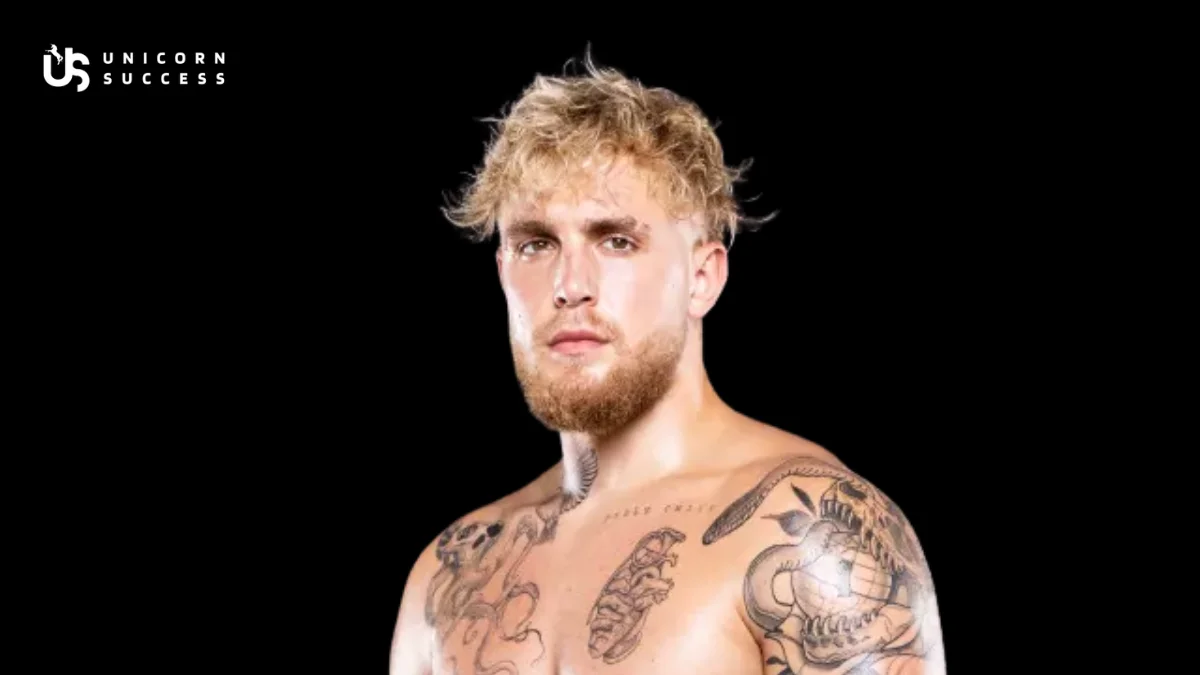
Jake Paul, the American professional boxer, influencer, and entrepreneur, has built one of the most unconventional careers in modern pop culture and business.
From rising as a YouTube creator to stepping into professional boxing, launching consumer brands, and commanding massive online attention, Paul has repeatedly navigated public criticism, skepticism, and high-stakes pivots in full view of the world. His journey is a masterclass in attention economics, personal branding, calculated risk-taking, and executing under relentless scrutiny.
Rather than avoiding controversy, Paul has learned how to harness it—turning visibility into leverage and momentum into real businesses. Whether betting on himself in new arenas, reshaping public perception through disciplined action, or staying relentlessly visible when others retreat, his approach offers valuable lessons far beyond entertainment or sports.
To understand the deeper lessons behind his impact, we asked 52 founders, CEOs, and industry leaders from diverse fields:
What is one powerful lesson you learned from Jake Paul, and how has it shaped your approach to building a brand, taking risks, or standing out in competitive markets?
Their insights reveal actionable takeaways on self-belief, narrative control, resilience, bold execution, and turning discomfort into growth—lessons that apply whether you’re launching a startup, scaling a company, or redefining your personal brand in a crowded world.
Together, these lessons offer a practical playbook for anyone willing to think bigger, move faster, and stay visible while building something meaningful.
52 Lessons from Jake Paul That Redefine Personal Branding, Risk, and Modern Growth:
1. Speak Loudly About What You Believe In
Watching Jake Paul taught me something: you can’t be shy about your own stuff. At Strabella, we tried different ways to launch new home goods, but things only took off when we started talking big about our products and moving fast on new trends. When you see a shift, just go for it. It usually leads to good results you never planned on.
– BURAK KOC, Manager, STRABELLA LLC
2. Visibility Beats Playing It Safe
Watching Jake Paul made me realize even controversial self-promotion gets you noticed fast. So when I started ShipTheDeal, I wasn’t shy about talking about it, even if my approach was a little unconventional. In SaaS you have to get noticed somehow, and sometimes making noise is a good thing as long as it’s genuine. It actually opens doors.
– Cyrus Partow, CEO, ShipTheDeal
3. Turn Controversy Into a Revenue Engine
The most powerful lesson that I have learned from Jake Paul is how to turn controversy into calculated risk. His life and career taught me that being polarizing isn’t a liability but it’s a tool to build brand equity. Jake Paul doesn’t just fight but he engineers spectacles. By fighting a 58-year-old legend like Mike Tyson at age 27, he clocked over 60 million Netflix views.
Even when he faces criticism or loses, he uses those moments to fuel an “underdog” narrative that leads to even bigger paydays. He successfully monetizes the journey from being hated to being respected.
I used the same “spectacle” mindset for my own fitness launch. I ditched the standard ad and ran a provocative “Peloton Killer” campaign. That heated debates, but that controversy generated 5 million impressions and tripled our sales.
– Fahad Khan, Digital Marketing Manager, Ubuy Sweden
4. Authentic Boldness Outperforms Polished Marketing
Observing Jake Paul changed how I think about marketing. We tried those formal influencer deals and the results were hit or miss. Then you see Jake, just posting constantly, stuff that’s real and a little controversial, and people can’t look away.
It made me realize that instead of spending big on ads, you should just let your team be themselves online. Being a little bold gets way more attention than playing it safe.
– Yarden Morgan, Director of Growth, Lusha
5. Real, Unfiltered Stories Create Deeper Trust
Watching Jake Paul, I noticed it’s his unscripted live streams that pull people in. It reminded me of work at Plasthetix. Our clients got way better results when they shared actual patient stories instead of glossy ads. Patients started messaging them directly.
If you want to stand out in a small market, stop trying to look perfect. Just talk to people and share what’s real. That’s how you get people to stick around.
– Josiah Lipsmeyer, Founder, Plasthetix Plastic Surgery Marketing
6. Embrace Controversy Instead of Hiding From It
Here’s what I learned from watching Jake Paul: don’t run from controversy. When negative press came his way, he doubled down, kept creating, and built something you couldn’t ignore.
It even works for my cleaning business. Being different is what makes people remember you. The biggest growth seems to come from just being yourself, even if some people don’t like it.
– Justin Carpenter, Founder, Jacksonville Maids
7. Resilience Is About Getting Back Up Faster
The big takeaway from Jake Paul is how he keeps getting back up. He makes mistakes, just like everyone, but he doesn’t stay down. It’s exactly what I see with teens.
Real change doesn’t happen overnight. But pointing out the small wins helps them reset. Focusing on what to do next instead of just the error shows them they can actually improve.
– Aja Chavez, Executive Director, Mission Prep Healthcare
8. Stop Seeking Approval and Start Executing
The thing I learned from watching Jake Paul is to just go for it. When I started my company, everyone was skeptical, a lot like when he moved from YouTube to boxing.
But you realize that once you stop worrying about judgment, you can actually focus on getting things done. My advice? Try what people say you can’t and prove them wrong. It’s freeing.
– Brandi Simon, Owner, TX Home Buying Pros
9. Growth Begins Where Comfort Ends
Watching Jake Paul switch from YouTube to boxing was wild. It got me thinking when I started YEAH! Local, so I started trying new SEO tools and making video campaigns that felt like a risk.
You can’t just keep doing the same thing. Sometimes the only way to stand out is to try something that makes you a little uncomfortable.
– Justin Herring, Founder and CEO, YEAH! Local
Also Read: 30 Lessons from Larry Ellison That Could Change the Way You Lead, Build, and Win
10. Persistence Wins Even in Crowded Markets

Jake Paul shows that persistence can break you into a crowded field, even from the outside. I saw this myself when launching UrbanPro. People doubted a different kind of tutoring platform, but we kept at it and users came much faster than I expected. My advice? If you believe in your idea, stick with it. You don’t need everyone to get it right away. They will.
– Rakesh Kalra, Founder and CEO, UrbanPro Tutor Jobs
11. Big Risks Are Often the Only Way Forward
Watching Jake Paul jump from YouTube to boxing shows you what happens when you take a real risk. He did something completely different and it worked.
It reminded me of when I completely overhauled my restaurant menu, which was scary but brought in new business. Sometimes you have to try something that might not work just to keep things moving. You can’t just get comfortable.
– Allen Kou, Owner and Operator, Zinfandel Grille
12. Choosing the Unusual Path Can Deliver Outsized Wins
Jake Paul’s career shows that sometimes you have to do things people think are crazy. It reminds me of a few deals I’ve made in finance. They looked odd at first, like an influencer stepping into a boxing ring, but those were the ones that paid off.
If you can handle the potential mess, taking a different path can lead to good outcomes that safe choices never reach.
– Edward Piazza, President, Titan Funding
13. Control the Narrative by Staying Visible
I learned something from Jake Paul: you just keep promoting yourself, even when everyone’s against you. He’s great at turning bad press into more attention.
I’ve seen the same thing in business, especially when a product launch isn’t going well. If you stick to your message and adjust quickly, you can control the story, because public opinion changes on a dime.
– David Cornado, Partner, French Teachers Association of Hong Kong
14. Relentless Self-Promotion Compounds Over Time
What I learned from Jake Paul is his relentless drive to promote himself, no matter the criticism. Launching Dirty Dough was a risk, like his move from YouTube to boxing, but he kept telling his story and embraced the attention, so both grew.
In my experience, sticking to your guns in marketing works, even if it annoys people at first. My advice is to lean into the noise, do your thing, and be ready to change as you go.
– Bennett Maxwell, CEO, Franchise KI
15. Ignore Early Doubt and Let Results Do the Talking
Jake Paul’s run shows what happens when you tune out the criticism. When I started Tutorbase, people rolled their eyes at “another SaaS CMS.” I had to trust my own idea. What I’ve found is that pushing through that early negativity is where the real wins happen.
Forget the doubters. Just focus on what the numbers are telling you and keep moving. The results will handle the rest.
– Sandro Kratz, Founder, Tutorbase
16. Trust Your Instincts Even When Others Question You
I learned something from Jake Paul – he ignores the haters and just does his thing. In real estate, I took a chance on a property everyone else passed on. That gamble paid off big time. Seeing Jake go from YouTube to boxing despite all the criticism reminded me to trust my gut.
Even when people question your investments, stick with your plan and you’ll learn something valuable either way.
– Ryan Nelson, Founder, RentalRealEstate
17. Unexpected Pivots Can Unlock Global Growth
Watching Jake Paul switch to boxing got me thinking about our own work. We moved our language programs online, which was chaotic at first. Then suddenly, we had students signing up from everywhere we’d never reached before. It showed me that sometimes a weird, unexpected change is exactly what you need to wake things up and get new results.
– Yoan Amselem, Managing Director, German Cultural Association of Hong Kong
18. Use Polarization to Stay at the Center of Attention
Jake Paul showed me how useful it can be to take incoming hate and push it back into the world as fuel. Most brands tiptoe around anything that might stir people up; Jake leans straight into it. He understands that if you split the room, you stay at the center of it. I saw the same dynamic play out with a fitness influencer we worked with.
He posted a blunt clip saying, “lazy people deserve to be broke,” and the internet lit him up for it. The comments were brutal, but within two weeks his coaching program was up 38 percent. He wasn’t copying Jake, but he tapped into the same current–if a message hits a nerve, people move.
None of this is about being intentionally cruel. It’s about having a clear point of view and the backbone to stand behind it, even when the reply section gets ugly. Jake is exceptionally good at taking criticism, flipping it into engagement, and then turning that engagement into real revenue. He treats the algorithm like another opponent in the ring: strategic, relentless, and always pressing forward. Most brands never make it out of the warm-up.
– Vincent Carrié, CEO, Purple Media
19. Master Storytelling to Create Momentum and Credibility
Being the Founder and Managing Consultant at spectup, one powerful lesson I’ve learned from observing Jake Paul is the sheer impact of personal branding and narrative control in driving engagement and opportunities, even in markets that seem saturated or highly competitive.
Jake’s approach demonstrates that perception often shapes reality how you present yourself, your story, and your milestones can create momentum that opens doors far beyond the immediate product or performance. I remember working with a startup founder struggling to get traction with investors, despite having a technically strong solution. Their messaging was overly cautious, factual, and inward-focused, so the narrative wasn’t compelling externally.
Inspired by Jake Paul’s model of amplifying his persona strategically, I guided them to reframe the pitch around the founder’s journey, vision, and distinctive approach, weaving storytelling into every slide.
The impact was immediate. Investors who had initially overlooked the company began engaging actively, curious about the founder’s unique perspective and the market opportunity framed through their personal lens. One particular investor commented that the story conveyed confidence and differentiation in a way pure metrics never could.
This lesson has influenced how spectup coaches founders on fundraising: technical excellence is necessary but not sufficient; cultivating a coherent, bold narrative that resonates emotionally is equally critical.
Another insight from Jake Paul’s strategy is consistency in presence. He doesn’t rely on a single platform or moment he constantly engages his audience, creating a sustained narrative that compounds over time.
For founders, this translates into regularly communicating milestones, insights, and thought leadership to investors, partners, and stakeholders, rather than waiting for formal updates or funding rounds.
By embedding this philosophy into pitch decks, email outreach, and public messaging, we’ve seen measurable lifts in investor responsiveness and meeting conversions. Ultimately, the lesson is that perception and storytelling, when executed strategically and authentically, can accelerate credibility and opportunity in ways metrics alone cannot capture.
– Niclas Schlopsna, Managing Partner, spectup
Also Read: 12 Leadership Lessons We Can Learn from Donald Trump (45th & 47th U.S. President)
20. Consistent Visibility Is How You Stay Relevant

Jake Paul is always changing his game to stay relevant online, and I actually get it. In dental IT, I’m constantly tweaking our security to protect clients while staying visible. It’s the same idea. Whether you’re making videos or locking down a dental office network, being straight with people and showing up consistently is what works. That’s how you get noticed when everyone looks the same.
– Tom Terronez, CEO, Medix Dental IT
21. Strong Opinions Build Stronger Communities
Look at Jake Paul. He shows that a little controversy, handled right, can go a long way. I saw this firsthand building GRIN’s influencer programs. The creators with strong, almost-offensive opinions got the most loyal fans. People don’t want another safe, please-everyone brand. They want something real. So lean into what makes you different. That’s what actually builds a following.
– Brandon Brown, CEO, Search Party
22. Omnipresence and Honesty Create Long-Term Loyalty
Watching Jake Paul works because he’s just everywhere. We tried sharing everything, even when projects failed, and people actually liked it more. My advice is to just keep posting what’s happening, good or bad. That honesty is what gets people to stick around for the long haul, not some perfectly polished feed.
– Alvin Poh, Chairman, CLDY.com Pte Ltd
23. Keep Moving Forward Despite the Noise
I work in mental health, and the way Jake Paul handles all the public pressure is impressive. When my therapy clients hit a wall, I think about him. He just keeps going despite all the noise. It reminds me to tell people that setbacks are normal and you just have to keep moving forward, even if it’s just one small step at a time.
– Amy Mosset, CEO, Interactive Counselling
24. Consistency and Transparency Build Lasting Trust
What I learned from Jake Paul is how much putting yourself out there matters, even when you’re new to something. At my company, Lakeshore Home Buyer, we got specific about who we were, and sellers became less wary over time. The guy went from content creator to pro boxer by investing in his image and not backing down from critics. Consistency pays off. Just keep sharing your journey, especially the messy parts. Being honest lasts way longer than hype.
– Ryan Dosenberry, CEO, Crushing REI
25. Outwork the Critics and Let Proof Replace Arguments
Here’s a trick I picked up from Jake Paul: when people are yelling at you, don’t yell back, just outwork them. Everyone called him a joke, so he stepped in the boxing ring and then built his businesses. We faced the same thing at Superpower with our AI health tool. People called it a gimmick. So we stopped explaining and just showed them the user data. The questions stopped.
– Max Marchione, Co-Founder, Superpower
26. Share the Learning Process, Not Just the Wins
Watching Jake Paul taught me something. He just puts his learning out there, even when people mock him. It works for finance too. People trust you more when you show your mistakes, not just your wins. It’s like releasing a new course. The first version is never perfect, but feedback fixes it. Don’t be scared to look bad while you’re getting good. That’s when you improve the most.
– JP Moses, President & Director of Content Awesomely, Awesomely
27. Bold Experiments Can Become Real Businesses
Watching Jake Paul made me realize something. His wild risk-taking wasn’t just for views, it led to actual businesses like his boxing promotions and energy drinks. It got me thinking that in my own work with AI tools, putting out the weird, unfinished experiments and taking a chance has actually brought in better collaborators. People respond to that raw approach.
– Bell Chen, Founder and CEO, Superpencil (Enlighten Animation Labs)
28. Outgrow Doubt Through Disciplined Action
One powerful lesson I’ve learned from Jake Paul is the importance of owning your narrative instead of letting others define it for you. Watching his evolution from a controversial internet personality to a disciplined professional boxer made it clear that public perception is not fixed—it can be reshaped through consistent action.
In medicine and media, I’ve seen how quickly labels stick, and Jake Paul’s journey reinforced for me that criticism doesn’t disappear by arguing with it; it fades when your work becomes undeniable.
As a physician and TV host, I’ve experienced this firsthand. Early in my career, some colleagues questioned whether a doctor should be on television, suggesting it might undermine credibility. Rather than retreat, I focused on delivering accurate, practical health information to the public every single day.
Over time, the results spoke louder than skepticism—patients became more engaged, outcomes improved, and the platform allowed me to reach millions who might never step into a doctor’s office. That mirrors what Jake Paul did in boxing: instead of endlessly responding to doubters, he trained, fought real opponents, and steadily raised his level of competition.
The practical takeaway is simple but powerful: don’t waste energy fighting perceptions—outgrow them. Commit to disciplined preparation, accept that growth happens in public, and let consistent performance change the conversation. Whether you’re building a career, a brand, or a healthier life, progress backed by action is the most effective response to doubt.
– Dr. Partha Nandi, Owner, Dr. Partha Nandi
29. Being Unapologetically Different Attracts New Audiences
At Wedding Rings UK, I decided to launch bi-metal black zirconium rings, totally different from our usual stuff. My team thought I was crazy. But it worked. Those rings brought in a customer base we never had before. It reminds me of watching Jake Paul, you know? Being that unapologetically yourself, even when it’s controversial, actually gets you somewhere.
– Ben Hathaway, CEO, Wedding Rings UK
Also Read: 66 Powerful Lessons We Can Learn from Sam Altman (CEO of OpenAI, ChatGPT)
30. Attention Becomes Power When Backed by Discipline

One powerful lesson I’ve taken from Jake Paul is that attention is a skill, not an accident, and when it’s paired with discipline, it can be converted into real leverage.
What surprised me most wasn’t his ability to generate controversy. It was how deliberately he turned attention into structured progress. When Jake Paul entered boxing, most people dismissed it as a stunt. The smarter move he made was treating perception as something to be managed over time.
He leaned into skepticism early because it kept him visible, then quietly invested in fundamentals, coaching, and opponent selection that let him improve while the spotlight stayed fixed on him. The noise bought him time. The work made the noise survivable.
The clearest example is how he sequenced his fights. Instead of chasing instant legitimacy, he optimized for momentum. Each fight was chosen to stretch his skills slightly while keeping the narrative alive.
By the time critics were ready to reassess him, he had already logged rounds, trained seriously, and built a business around the sport. Attention opened the door, but preparation determined whether he stayed in the room.
I’ve applied this lesson in business by separating visibility tactics from credibility work. Early on, it’s tempting to avoid exposure until everything is perfect. Jake Paul’s path showed me that you can accept imperfect perception early if you are relentlessly improving underneath it. The real risk isn’t criticism. It’s wasting attention when you get it.
The deeper insight is this: attention without discipline is fragile, but discipline without attention is invisible. Jake Paul’s career reinforced that sustainable success often comes from mastering both, even when it makes people uncomfortable at first.
– Albert Richer, Founder & Editor, WhatAreTheBest.com comparison data
31. Unconventional Ideas Are What Make People Pay Attention
Jake Paul gets underestimated, but he just does his thing. We tried that approach at Fotoria. While everyone else used photographers for headshots, we used AI. It felt like a strange risk, but it started conversations and led to partnerships we wouldn’t have found otherwise. My takeaway? Sometimes the ideas that seem a bit weird are exactly what make people notice you.
– Edward Cirstea, Founder, Fotoria
32. Turn Any Attention Into a Competitive Advantage
Jake Paul’s best trick is turning any attention, even the bad kind, into his advantage. We tried his approach for our marketing campaigns and it worked right away. It taught me to see controversy as just free publicity. Honestly, if you’re in marketing, watch how he turns any buzz into his own thing. He’s great at it.
– Vlad Ivanov, CEO, Search GAP Method
33. Let Your Users Create the Buzz for You
Jake Paul knows how to get attention and ride whatever’s hot, which actually works for business too. At TheInformr, we saw our new CRM features take off when customers started talking about them instead of us just sending out boring release notes.
It’s kind of like what Jake does but for software. If you’re making digital products, let your users tell the story. Their experiences will spread the word faster than any marketing campaign.
– Branden Shortt, Founder & Product Advisor, The Informr
34. Taking Unusual Leaps Opens New Opportunities
What I learned from Jake Paul is how he just went from YouTube to boxing. It was a risky move for anyone, but he proved everyone wrong. I think that relates to tech too. Sometimes you just have to try something other people don’t get. It reminds me to stay open to weird new tech shifts at work, even when they first seem crazy.
– Branden Shortt, Founder & Consumer Advocate, Cellphones.ca
35. Personality Beats Polished Marketing
I looked at how Jake Paul does things and thought, why can’t we do the same thing for Blue Sky Limo? Instead of slick ads, we share interesting stories about our drivers and how we get a car ready for a VIP. It’s a pretty buttoned-up industry, but people are really responding. We come across with more personality now, and it’s helping.
– Nikita Beriozkin, Director of Sales and Marketing, Blue Sky Limo LLC
36. Staying Active Keeps You in Control of the Narrative
Watching Jake Paul taught me something. He never stops posting, so he controls the conversation whether things are good or bad. It’s exactly like my SEO work. The clients who keep adjusting their stuff don’t see their rankings bounce around like a rollercoaster. Once we started making small but frequent changes, our search traffic settled down. You just have to stay active.
– Miguel Salcido, CEO, Organic Media Group
37. Embracing Your Niche Builds Fierce Loyalty
Watching Jake Paul taught me to embrace the weird parts. He doesn’t hide who he is, and people are more loyal for it. In our replica sword business, we go all in on our passion for the craft. The people who get it, really get it. That direct approach has brought us customers who genuinely love what we do and come back for it.
– Tyler Hodgson, Managing Director, Ancient Warrior
38. Betting on a Bold Direction Can Change Everything
Watching Jake Paul switch from influencer to boxer reminds me of starting Hire Fitness. We decided to rent out gym equipment, and people said it was a dumb idea. We took the chance anyway, and the business took off. If you see a new direction for your company, go for it. Making a big change, even when others doubt you, can really pay off.
– Paul Healey, Managing Director, Hire Fitness
39. Treat Your Brand Like a Business, Not a Side Project
Watching Jake Paul taught me to treat my brand like a business, not a hobby. His move into professional boxing wasn’t random, it was a calculated business decision that opened up a massive new audience and revenue stream. If your ecommerce store is stuck, maybe a data-backed pivot and total focus is exactly what you need to get things moving again.
– Ben Sztejka, Managing Director, Your Ecommerce Accountant
Also Read: 55 Lessons We Can Learn from Michael Dell (Founder, Dell Technologies)
40. Conversation Often Matters More Than the Product

Watching Jake Paul, you see how all that controversy actually works for him. It got me thinking about how we could apply that kind of hype to movie posters instead of just the usual marketing. For any event or release, maybe you should start some arguments. Sometimes the conversation around something is more valuable than the thing itself.
– Simon Moore, Founder/CEO, Famous Movie Posters
41. Staying Flexible Is the Only Way to Stay Relevant
The big lesson I take from Jake Paul is not getting stuck in one plan. He’s always moving on to the next thing, from YouTube to boxing to new merch, so people are always watching. I have to do the same in digital marketing, where things change overnight. Being flexible isn’t some fancy business trick, it’s just how you survive.
– Ben Rose, Founder & CEO, CashbackHQ
42. Build First, Ask for Permission Later
Jake Paul never waited for permission, he just built his own audience. It reminds me of testing dynares’ early predictive features-you have to move fast and figure out what works. His marketing lasts because he adapts quicker than anyone else. Other startup founders should look at his approach when building a brand from scratch.
– Dan Tabaran, CEO, dynares
43. Face Problems Head-On and Rebuild Stronger
Jake Paul is good at turning problems into fuel. I tried that after a construction project got way behind and nearly derailed everything. Instead of hiding, I told the client exactly what happened, we reset the schedule, and I pulled the team together. It saved the project. The takeaway for anyone running a job is this: deal with the mess head on, figure out a better way, and be ready to rebuild from nothing.
– Joseph Melara, Chief Operating Officer, Truly Tough Contractors
44. Blending Entertainment With Business Drives Attention
Here’s what gets me about Jake Paul – he mixes entertainment with business so openly. It actually works. At 12 Steps Marketing, our campaigns with big personalities who aren’t afraid of a little controversy always make a bigger splash than the safe, boring ones. The brands we work with get more attention. If you want people to notice you, you have to be willing to take a risk and show who you really are.
– Vince Tint, Founder, 12 Steps Marketing
45. Turn Criticism Into Engagement
Jake Paul is good at one thing, turning hate into views. I’ve seen that work in branding too. We had a client getting slammed online, so we started making funny videos responding to the complaints. Their comments and shares doubled in a few weeks. If you run a brand, don’t hide from the bad stuff. Use it. People actually appreciate when you talk straight with them.
– Soban Tariq, Founder, Game of Branding
46. Bold Pivots Can Unlock Unexpected Growth
Here’s a weird one. Watching Jake Paul’s career actually pushed me to take a risk at my company Apps Plus. We completely changed our product, moving from marketing tools to logistics software. I thought we’d fail, but we landed three new enterprise clients last quarter. If you’re thinking about a big pivot, sometimes you just have to go for it.
– Tashlien Nunn, CEO, Apps Plus
47. Say Yes to Fear and Watch Momentum Follow
What I learned from Jake Paul is you can’t let what other people think stop you. That reminded me of when I went climbing and skydiving after my diagnosis. Honestly, I was terrified. But then friends told me seeing me do it made them want to try things they were scared of. So when a big, scary opportunity shows up, maybe you just say yes.
– Paul Jameson, Founder & Executive Chairman, Aura Funerals
48. Enter New Markets Boldly and Learn in Public
Jake Paul jumping from YouTube to pro boxing reminds me of starting a tech company. He just went for it. I’ve seen this work. When you enter a new market, even if you mess up, you learn something and get people’s attention. You have to keep trying new things and ignore the noise. That’s how you actually grow.
– Peter Privitera, CEO, Injected.Website
49. Authenticity and Consistency Attract the Right Audience
Watching Jake Paul showed me something about finding your audience online. He just went all in on his own style, and it worked. In my real estate business, I started working with smaller, specific influencers and it brought in new people. It’s not some trick, but when you’re actually yourself online and keep sharing useful stuff, you reach people that regular ads miss. Just be real and don’t stop posting. People notice that.
– Richard Morrison, Founder, Richard Morrison Vancouver Homes
Must Read: How Kateryna Odarchenko Scaled SIC Group to $1M in Just 2 Years
50. Growth Comes From Letting Go of Your First Plan

Jake Paul’s success comes from trying everything, and it made me rethink my own startup. I was stuck on one plan, but once I started testing new platforms and markets, I found some real opportunities. Honestly, if you want to grow, you can’t be married to your first idea. You have to be willing to scrap it and try something else.
– Daniel Davidson, CEO, SMART CONTENT LAB – FZCO
51. Make a Loud Bet on Yourself and Let Momentum Build
Jake Paul’s jump from social media to boxing was something else. He just went all in, ignoring what everyone said. That’s the thing about making a big, loud bet on yourself, it forces people to look. That spotlight works in almost any field. My advice? Own your weird idea. The criticism dies down, but the momentum keeps going.
– Ryan Nelson, Founder, Stock Calculator
52. Reinvent Completely When Opportunity Demands It
Jake Paul’s switch from YouTuber to boxer shows what happens when you’re willing to change completely. He didn’t just tweak his image, he became someone else entirely when he spotted a new opportunity. Beauty and fashion brands should try the same thing – look at your story every few months and ask if it’s still working. Sometimes the biggest growth comes from doing something that makes everyone question what you’re even doing.
– Nadia Johansen, CEO, Dealicious
Conclusion
Jake Paul isn’t just building a personal brand—he’s redefining how attention, risk, and momentum translate into modern success. His journey shows that progress doesn’t come from playing it safe, waiting for approval, or trying to please everyone. It comes from betting on yourself publicly, staying visible under pressure, and pairing attention with disciplined execution.
Across every lesson shared here, one theme stands out: growth favors those willing to be misunderstood while they improve. Whether it’s owning the narrative, embracing discomfort, turning criticism into fuel, or reinventing yourself when opportunity demands it, Jake Paul demonstrates that momentum is built through action—not consensus.
For founders and leaders navigating crowded, fast-moving markets, the takeaway is clear: don’t hide from noise, learn to harness it. Build loudly, adapt quickly, and keep showing up even when the spotlight feels uncomfortable.
So if you want to stand out, build momentum, and create opportunities others never see…
Don’t wait for permission. Bet on yourself. Move like Jake Paul.