77 Powerful Lessons from Serena Williams
What makes Serena Williams one of the most influential athletes of all time? In this feature, 77 founders, executives, and leaders share the most powerful lessons they’ve learned from the tennis icon—spanning resilience, mental toughness, disciplined preparation, reinvention, and performing at the highest level under relentless pressure.
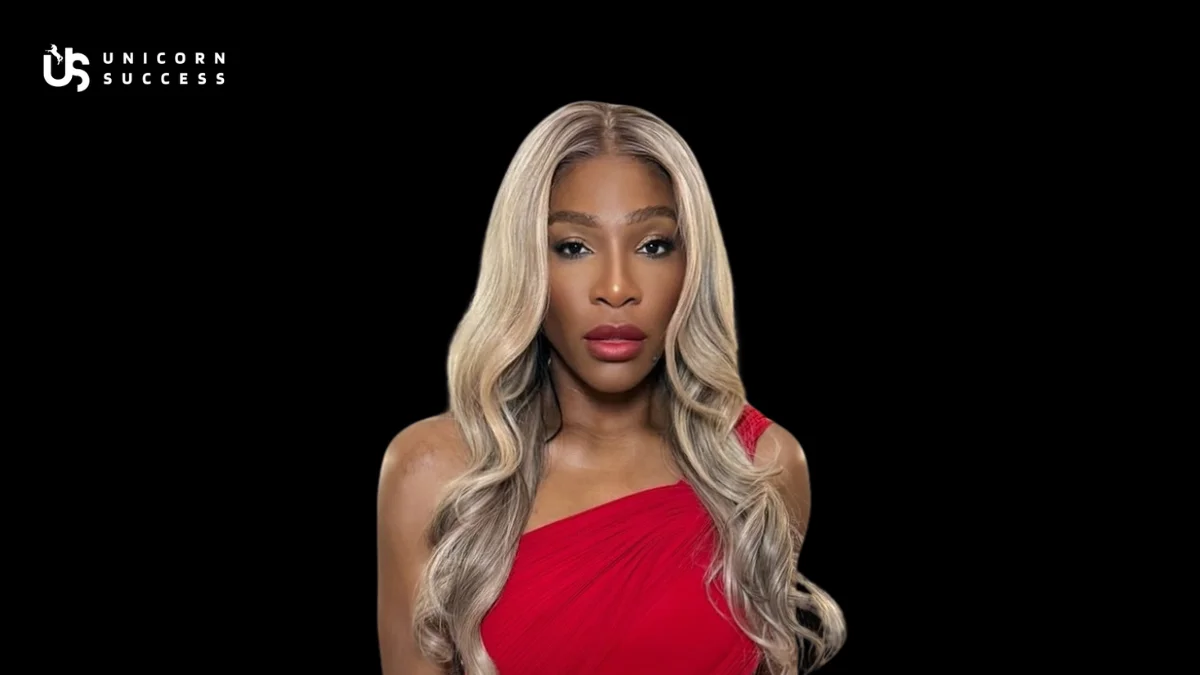
Serena Williams, one of the most dominant athletes in sports history, redefined what excellence looks like under pressure. Across more than two decades at the top of professional tennis, she competed through injuries, criticism, personal setbacks, and constant scrutiny—yet continued to evolve, adapt, and perform at the highest level when it mattered most.
From Grand Slam comebacks and career-defining reinventions to returning to competition after life-threatening health challenges and motherhood, Serena’s career is a masterclass in resilience, mental discipline, and sustained excellence. She didn’t rely on talent alone. Her edge came from relentless preparation, emotional control, and the ability to reset after failure—point by point, match by match.
Her influence extends far beyond the court. Serena’s approach to pressure, confidence, and self-belief has shaped how founders, executives, and operators think about leadership, decision-making, and long-term performance. Whether staying composed after a loss, trusting her own game amid criticism, or adjusting strategy without losing identity, she has become a blueprint for enduring success in high-stakes environments.
To understand the lessons behind her impact, we asked 77 founders, CEOs, and senior leaders from diverse industries:
What is one powerful lesson you learned from Serena Williams, and how has it shaped your approach to leadership, resilience, or navigating setbacks?
Their insights reveal practical takeaways on perseverance, adaptability, preparation, confidence, and performing under pressure—lessons that apply as much to business and life as they do to elite sport.
These lessons offer a grounded roadmap for anyone facing uncertainty—whether you’re building a company, leading a team, or pushing forward when the odds feel stacked against you.
77 Lessons from Serena Williams on Performing Under Pressure and Building Lasting Excellence:
1. Quiet Control Under Pressure Beats Loud Intensity
Watching Serena Williams over the years taught me that power and patience can exist together. One match sticks with me where she lost a set badly, sat down, and didn’t panic. It felt odd seeing calm where frustration was expected.
The lesson landed slowly. Mastery isn’t loud. She adjusted, stayed present, and trusted preparation instead of reacting to noise. That mindset shows up far beyond sports. Funny thing is it made me rethink how I handle setbacks in work and life. Progress doesn’t always look dramatic. Sometimes it’s quiet control under pressure.
I didnt learn resilience from her wins as much as from how she reset between points. The biggest takeaway was consistency beats intensity. Showing up again, abit steadier each time, is its own kind of strength.
Rebecca Brocard Santiago, Owner, Advanced Professional Accounting Services
2. You Don’t Have to Choose Between Power and Tenderness
One of the strongest lessons I’ve taken from Serena Williams is that a woman doesn’t have to choose between being powerful and being tender. She never trimmed herself down to fit whatever version of “acceptable” or “feminine” people tried to place on her. Instead, she shaped her own definition — one built from force, elegance, and a kind of honesty that didn’t ask for permission. That mix has always stayed with me.
There’s a particular moment that still sits in my mind. After one of her big wins, she walked onto the court with her daughter on her hip, sweat still dripping, adrenaline still high. She didn’t mask the physical toll of the match or the softness of holding her child. Seeing her like that shifted something in me.
It showed me that we’re allowed to exist in all our layers without apologizing — as parents, artists, partners, leaders. I try to carry that idea into everything we make: not chasing flawlessness, but honoring the raw, present self that says, “I’m here, and I’m not dimming anything.”
Julia Pukhalskaia, CEO, Mermaid Way
3. Strong Boundaries Protect Excellence and Trust
Working with Serena Williams taught me that protecting privacy and following set protocols is non-negotiable. During a WTA spot, when a crew member tried to take an unauthorized behind-the-scenes photo, she purposefully volleyed a ball close to him, a clear reminder that boundaries matter and directions are to be followed.
That single act refocused the set, reinforced everyone’s responsibilities, and showed me how firm, timely action preserves trust, safety, and the quality of the work.
Senthil M, Founder/Cinematographer, t-eight pte ltd
4. Resilience Comes From Treating Failure as Information
Like I really want to sing this song by One Republic, “I owned every second that this world could give, I saw so many places, the things that I did, yeah, with every broken bone, I swear I lived” for her. For me, she is like a magic charm.
A champion who is not defined by her wins. But by how she recovered from every obstacle. Resilience, not perfection, is the true differentiator. She treats failure as information, not a verdict, which allows her to stay focused on what comes next rather than spiralling over what has already happened.
So what I understood from her was a clarity of thought. A successful yet simple journey needs to be uncomfortable. I focus on the present instead of replaying mistakes. I ignore external doubt, which is plentiful and usually uninformed. And I use adversity as fuel, because pressure never disappears. It just waits for unprepared people.
Like running an organisation wasn’t easy for me, but I made it happen. Standing tall in front of all these obstacles. Initially, it was difficult to manage, but later I focused solely on finding solutions.
Dhari Alabdulhadi, CTO and Founder, Ubuy Qatar
5. Preparation Creates Composure When Chaos Hits
What I learned from Serena Williams is how relentless preparation creates calm under pressure. Watching her late in matches, you see someone who expects chaos and welcomes it. That mindset changed how I show up in corporate development. When a deal turns turbulent, I do not chase certainty. I build readiness.
Early in my career, I led a cross border acquisition that kept shifting on valuation, regulatory review, and integration scope. Instead of forcing a tidy narrative, I prepared scenarios, rehearsed concessions, and mapped walk away points. When the room heated up, I stayed steady and kept moving forward. The deal closed because preparation created confidence, not bravado.
Serena’s example also shaped how I think about sustainability, tech, and recycling. She plays the long game, investing in fundamentals that compound over time. In business, that means partnerships built on durable tech platforms, sustainable growth, and practical recycling economics that survive cycles. I push teams to prepare for scrutiny, volatility, and change, because resilience wins championships and deals.
Outside the office, endurance sports reinforce this lesson. Training for a Half Iron teaches patience, repetition, and humility. You earn composure. Serena taught me that composure is not personality. It is preparation. Visible.
Neil Fried, Senior Vice President, EcoATMB2B
6. Momentum Matters More Than the Perfect Strategy
One thing I picked up from watching Serena Williams is to never stop moving. With Superpower, I tried a few different approaches that didn’t quite work. But seeing how she adjusted her game made me realize I just needed to switch my strategy too.
So when you hit an obstacle, don’t stop. That’s just part of the work. If you keep at it, things eventually come together.
Max Marchione, Co-Founder, Superpower
7. Keep Building Even When Bigger Players Copy You
Watching Serena Williams taught me something. When I was starting out at Cellphones.ca, it was frustrating when bigger sites copied our features.
But I’d remember how Serena came back after a tough loss. So we just kept working, trying new things. Eventually, we helped Canadians find better phone deals, and our work started making a real difference.
Branden Shortt, Founder & Consumer Advocate, Cellphones.ca
8. Forget the Mistake—Focus on the Next Point
Watching Serena Williams changed how I run Jacksonville Maids. She loses a point and just moves on. I tell my crew the same thing when they make a mistake, like forgetting to clean a baseboard.
It’s not about the error, it’s what you do next. This has everyone less worried about messing up, and honestly, our work has gotten better.
Justin Carpenter, Founder, Jacksonville Maids
9. Reinvention Is the Real Competitive Advantage
Serena Williams shows what happens when you don’t just recover from setbacks, but learn from them. She changes her strategy, her serve, her entire game.
Business moves just as fast. You can’t rely on last year’s playbook. Her ability to reinvent herself on the court is the best example of adapting I’ve seen.
Branden Shortt, Founder & Product Advisor, The Informr
Must Read: 83 Lessons We Can Learn from Doug McMillon, CEO of Walmart
10. Progress Often Starts After the First Failure

Serena Williams taught me to stick with it even when it feels like everything is falling apart. At PlayAbly, our Buy Now, Win Later feature bombed at first. People just weren’t using it.
Instead of killing the project, we kept talking to users and tweaking the design until it finally started working. You have to sit with the setbacks, because that’s often when the real progress happens.
John Cheng, CEO, PlayAbly.AI
11. Consistency Wins When Early Results Look Uncertain
Serena Williams taught me a thing about consistency, watching her come back when everyone counted her out. We took that same approach to our AI ad campaigns. Even when results looked shaky at first, we kept testing.
It ended up cutting our wasted spend more than I thought possible. When everything changes so fast, focusing on the fundamentals is what gets you through.
Dan Tabaran, CEO, dynares
12. Losing Is Part of the Path Forward
Here’s what I’ve found works with teens. Talk about Serena Williams. She loses matches, gets hurt, then comes back to win. It gives them a real example of how losing isn’t the end.
In our groups, sharing stories about bouncing back helps more than just telling them to be resilient. It shows them the path forward is messy, and that’s okay.
Aja Chavez, Executive Director, Mission Prep Healthcare
13. When Stuck, Change the Game—Not the Goal
From Serena Williams, I learned a simple rule: don’t give up. When building ShipTheDeal, the market shifted and algorithms fought us, but we stuck with it.
Watching her change tactics mid-match reminds me to keep trying new things instead of clinging to an old plan. When you get stuck, it’s not the end. It’s just a cue to change what you’re doing entirely.
Cyrus Partow, CEO, ShipTheDeal
14. Your Own Way Is Often the Only Way That Works
The thing about Serena Williams is she never tried to be anyone else. In AI, it’s easy to get caught chasing trends, but then you watch her.
She played her tennis, built her own thing. It reminds me to stick with the weird parts of our platform, even if it takes longer for people to get it. Sometimes your own way is the only way.
Ryan Brown, CTO, Search Party
15. Focus and Persistence Outlast Market Freezes
Watching Serena Williams play reminds me what focus actually looks like. I had a year in real estate where the market completely froze. I just put my head down and kept working. That’s what gets you through.
The agents who stick around aren’t the lucky ones, they’re the ones who keep going after a deal collapses and immediately look for the next one.
Richard Morrison, Founder, Richard Morrison Vancouver Homes
16. Persistence Turns Setbacks Into Forward Motion
Watching Serena Williams stage a comeback under pressure reminds me of my work in real estate. Deals fall through, and unexpected problems pop up all the time. The trick isn’t avoiding those setbacks, it’s figuring out what went wrong and pushing forward anyway.
I treat every failure as a lesson. In this business, just like on the court, persistence is what gets you to the finish line.
Carl Fanaro, President, NOLA Buys Houses
17. Push Through Delays to Discover Your True Capacity
Watching Serena Williams win after being way down always stuck with me. So when our new product launch at Strabella hit shipping delays, I thought of her. We didn’t stop. My team and I just kept calling our logistics partners, trying to fix it.
Those situations are tough, but they’re also where you find out what you’re actually capable of. You just have to push through.
BURAK KOC, Manager, STRABELLA LLC
18. You Don’t Need to Get It Right the First Time
The main thing I got from Serena Williams is that you don’t have to get it right the first time. My no-code and AI experiments often crash and burn, but each mistake just makes the next try stronger.
Instead of seeing challenges as dead ends, I treat them like drafts. You just keep tweaking until it works.
Hrishikesh Roy, CEO, Roy Digital
19. Staying Calm Is a Growth Strategy
Watching Serena Williams play always reminds me of something important. When my startup UrbanPro wasn’t moving fast, I’d think about how she responds during a match.
She never panics. That mindset got me through those slow weeks when problems piled up. You just have to keep pushing and eventually things click.
Rakesh Kalra, Founder and CEO, UrbanPro Tutor Jobs
20. Champions Struggle Too—They Just Keep Showing Up
Watching Serena Williams taught me something important. She has bad days just like the rest of us, but she always comes back to play.
I tell my clients at Interactive Counselling this all the time. When you’re doubting yourself, remember even champions struggle. It’s not about falling down, it’s about how you get back up.
Amy Mosset, CEO, Interactive Counselling
21. Consistency Beats Perfection in Long Games
Watching Serena Williams taught me everything about B2B sales. She showed up the same way after a win or a loss. It’s about consistency, not perfection. Building a pipeline that converts takes time, just like her game. You learn from each loss, stick to the routine, and focus on small wins. Never let one bad month dictate your next one.
Daniel Hebert, Founder, Oleno by SalesMVP Lab Inc
22. Turning Doubt Into Power Requires Staying Authentic
Watching Serena Williams taught me the biggest lesson. She never changed her game for anyone, and that changes everything. At Magic Hour, when we’d take those weird creative risks, I’d think of her. She turned the noise into power.
Dealing with doubt is the hard part, but honestly, the breakthroughs come from doing the thing that only you can do.
Runbo Li, CEO, Magic Hour
23. Every Loss Is Data for Your Next Move
Watching Serena Williams taught me how to handle failure. I lost a lot of money when I first started investing. Instead of quitting, I tried her approach. I’d go back through every mistake, figure out what went wrong, and adjust.
My returns got better almost immediately. It’s basically treating every loss as data for how to adjust your next move.
Daniel Davidson, CEO, SMART CONTENT LAB – FZCO
24. Keep Experimenting When Growth Plateaus
Watching Serena Williams train harder after a tough match reminded me of building CashbackHQ. We hit months where growth just stopped.
Instead of giving up, we started throwing new cashback offers and marketing ideas at the wall to see what stuck. It didn’t pay off right away, but sticking with it meant our users ended up with better deals over time.
Ben Rose, Founder & CEO, CashbackHQ
25. Calm Thinking Saves Deals Under Pressure
I learned from Serena Williams how to stay cool under pressure, which helps a lot during real estate negotiations. When a deal looked like it was about to fall apart, I remembered how she gathers herself before a big serve.
I took a step back, cleared my head, and came up with an idea that got everyone to agree. We saved the deal.
Hendrika Ebregt, CEO, Survey Merchant
26. How You Respond to Doubt Shapes Your Success
What stands out about Serena Williams for me is her relentless determination, even when outsiders doubted her. In real estate, setbacks happen almost daily, and seeing how Serena handled lossesconstantly rebounding strongerreminds me it’s about how you respond, not just your wins.
Every tough negotiation or failed deal has ended up sharpening my skills, and I’d suggest leaning into challenges as real learning moments.
Ryan Dosenberry, CEO, Crushing REI
27. Stubborn Persistence Pushes Through Skepticism
Watching Serena Williams play taught me something. When we first started WMD Alltagshelden, a lot of people were skeptical our new model could actually reach patients across Germany. But I’d watch Serena refuse to lose those tough matches, and it just made me keep going.
We’ve been at it for a year now with our matching system, and getting past those early doubts feels like one of her comeback wins. Pure stubborn effort gets you there.
Enrico Westrup, CEO, WMD Alltagshelden
28. A Bad Moment Doesn’t Define the Whole Day
You know how Serena Williams is after losing a set? She doesn’t melt down. I try to bring that mindset to our plant machinery work. When three machines go down at once, it’s easy to panic.
But we take a breath and fix one thing at a time. That gets us running again and stops the customer calls. It’s a bad moment, not a bad day.
Rebecca Bryson, Managing Director, BTE Plant Sales
29. Use Setbacks to Design Smarter Systems
Watching Serena Williams come back in a match is pretty inspiring. At Tutorbase, we had our server crash during a launch once. We didn’t quit, we built a better system.
Now when my team hits a problem, I see it as a signal to find a smarter solution. You can’t let a bad game ruin the match, just like Serena. You use it to figure out a better play.
Sandro Kratz, Founder, Tutorbase
Also Read: 25 Lessons from Virat Kohli, India’s Cricket Icon
30. Not Giving Up Is a Strategy in Itself

Watching Serena Williams handle losses changed how I handle my business. The focus she brings back after an injury is real. So when unexpected competition shows up, I don’t panic. I just think of her and get to work. We adjust, we hustle, and we almost always pull through. It’s not some complex business strategy, it’s just not giving up.
Nikita Beriozkin, Director of Sales and Marketing, Blue Sky Limo LLC
31. Adaptability and Calm Prevent Costly Mistakes
For me, Serena Williams’ example shows the importance of persistence under pressurea lesson that surprisingly connects to IT and dental cybersecurity. When new threats or challenges arise, I remember how Serena adapts her strategy mid-match and never gives up after a tough set.
Multiple people on my team have validated that staying adaptable and calm in high-stakes moments has helped prevent costly errors. I often encourage colleagues to embrace setbacks as part of the process, because, like Serena, steady focus leads to long-term wins.
Tom Terronez, CEO, Medix Dental IT
32. Sticking to the Plan Turns Big Obstacles Small
You know, the biggest thing I learned from Serena Williams is just not to quit. When I started Bowpurr.com, a lot of people doubted me and the competition was intimidating.
But I kept my head down, learned quickly, and stuck to my plan. Soon enough, those huge obstacles just looked like regular problems you could actually solve and move past.
Zubair Ahmed, Owner, BowPurr.com
33. Winning Doesn’t End the Need to Train
I think about Serena Williams and it’s not just the championships. It’s that she never stops training, even when she’s already won everything. Running a business is the same way.
You think you’ve got it figured out, and there’s always another level. I remember when our sales were flat, and I’d think, what would Serena do? That pushed us to completely change our product line, and it worked.
Paul Healey, Managing Director, Hire Fitness
34. Discipline Turns Failures Into Progress
What I learned from Serena Williams is how discipline helps when things fall apart. Our new menu at Zinfandel Grille totally flopped, but instead of panicking, I just doubled down on daily feedback and minor fixes.
We slowly turned it around. That’s the trick with discipline; setbacks just become another step in figuring out what you’re actually building.
Allen Kou, Owner and Operator, Zinfandel Grille
35. Admitting What’s Broken Unlocks Better Solutions
What I learned from Serena Williams is that you have to adjust constantly. At CLDY, our initial customer service plans failed. So we kept changing them, like Serena changing her game mid-match.
Owning those failures gave us the push we needed when our market started shifting. My advice is to admit what’s not working and let that frustration drive you to find a better way.
Alvin Poh, Chairman, CLDY.com Pte Ltd
36. Relentless Grit Beats Early Market Resistance
Serena Williams’s game taught me a lesson about grit. At Plasthetix, we were struggling to make a dent in the healthcare marketing world. We just kept analyzing results, tweaking campaigns, and refusing to settle.
That persistence, that willingness to get back up after failing, is what finally got our clients noticed. It wasn’t pretty, but it worked.
Josiah Lipsmeyer, Founder, Plasthetix Plastic Surgery Marketing
37. Small Adjustments Keep Momentum Alive
Watching Serena Williams come back, like that huge Australian Open win, taught me something about marketing. When our campaigns tank, it’s tempting to start over.
But we’ve found more success by sticking with the plan and just making small adjustments. You keep going, you tweak, and eventually it works.
David Fuller, Marketing Director, WorkshopManuals.com
38. Trusting Your Voice Improves Collective Outcomes
Serena Williams taught me to trust my own take, even when you don’t fit the standard mold. Seeing her speak up reminds me to let my team do the same on international projects.
It’s easy to play it safe, but I’ve found that when people share their real, unfiltered thoughts, our collaboration is better and students are more engaged. Giving people space to be honest is what actually moves things forward.
Yoan Amselem, Managing Director, German Cultural Association of Hong Kong
39. Evolve the Approach Without Losing Identity
Serena Williams keeps reinventing her game, but she’s always Serena. That’s the lesson for anyone in luxury or beauty. When I help jewelry brands beat their competition, it’s the same principle.
You change your approach, not your identity. It’s about knowing what makes you different and being brave enough to evolve around it.
Nadia Johansen, CEO, Dealicious
40. Win by Focusing Only on the Next Step
I learned from watching Serena Williams how she just plays the next point, no matter what the scoreboard says. During our messy NetSuite rollout, I kept thinking about that. Instead of getting overwhelmed, I had our team focus on the single next step.
We solved one problem, then the next. That habit of focusing only on the next actionable thing under pressure is what got us through it.
Karl Threadgold, Managing Director, Threadgold Consulting
41. High Standards Matter Most When Things Get Messy
After leading SaaS teams for years, I see what Serena Williams does. You can’t let pressure make you sloppy. I remember one launch that was completely off the rails, but we just kept our heads down and got every small thing right. That’s what saved us. When things are chaotic, your standards are what hold you together. Don’t compromise.
Richard Spanier, President & CEO, Performance One Data Solutions (Division of Ross Group Inc)
42. Trying One More Time Can Change Everything
My new AI animation workflow was a dud. The user feedback was brutal and I was ready to scrap it. Then I thought about how Serena Williams just refuses to lose. So we went back and tried again. The next version worked much better and people actually started using it.
Sometimes you just have to stick with it one more time, even when it feels like you’re banging your head against a wall.
Bell Chen, Founder and CEO, Superdirector (Enlighten Animation Labs)
43. Belief Carries Ideas Through Early Doubt
Serena Williams doesn’t take crap from anyone, and that always stuck with me. When I put on a movie poster show, people kept asking what the point was. I almost bailed, but then I thought of her. So I pushed through. Turns out if you just keep going with your idea, the right people eventually show up.
Simon Moore, Founder/CEO, Famous Movie Posters
44. Big Wins Are Built One Small Point at a Time
Look, what I learned from Serena Williams is that you just have to win the next point. I remember a match where she was about to lose, but she was just focused on the ball right in front of her.
In marketing, when competition feels overwhelming, I do the same thing. I forget the huge goal and just handle the next task. Those small wins add up, and suddenly you’re moving forward.
Soban Tariq, Founder, Game of Branding
45. Setbacks Are Instructions, Not Endings
Watching Serena Williams taught me something important about not staying down. I had a client once tell me my entire approach was wrong, and I felt completely stuck. Then I saw Serena lose a tough match and come back the next day like nothing happened.
So I scrapped my whole plan and started over. Those setbacks are just data. They aren’t the end, they’re information for what to try next.
Vince Tint, Founder, 12 Steps Marketing
46. What You Do After Losing Determines the Outcome
Watching Serena Williams play changed how I handle tough legal cases. I had one that felt unwinnable, but then I’d think about how she’d reset after losing a set.
So I’d go back to work. It’s not about never losing, I get that now. It’s about what you do right after you lose. That’s what keeps you in the game.
Ramiro Lluis, Managing Attorney, Lluis Law
47. Stubborn Negotiation Turns Dead Deals Alive
I always think of Serena Williams when a real estate deal goes sideways. The inspection report comes back and everything looks like it’s over. But you don’t just walk away.
You renegotiate, you find solutions, you push. That’s what she does, down match point. Sometimes that stubbornness is what gets you to the closing table.
Lawrence Irby, President, Bay Area House Buyer
48. Showing Up Again Is the Real Breakthrough
Watching Serena Williams taught me something about sticking with it. She would lose a tough match, face all the doubt, and then just show up to play again.
At Japantastic, we had months where sales were so slow we almost quit. Remembering her attitude, that sheer persistence of just getting back out there, is what got us through those early days.
Falah Putras, Owner, Japantastic
49. Confidence Comes From Inner Permission, Not Approval
One powerful lesson i learned from Serena Williams is this you do not need permission to be confident in yourself.
From the start of her career Serena faced doubt. People questioned her style… her strength… her emotions and even her place in the sport. Many times she was told directly or indirectly that she did not fit the image of a champion. Instead of shrinking herself she stayed firm. She believed in her ability even when the crowd media or experts did not support her. That kind of self belief is not loud talk. It is quiet strength shown again and again through action.
One clear example is how she came back after setbacks and criticism. There were matches where she lost badly. There were times she was injured. There were moments when people judged her more harshly than others for the same behavior. Still she returned stronger. She trained harder trusted her game and stood tall on court. She did not try to please everyone. She focused on winning on her own terms.
This lesson shaped how i think about work and life. Earlier i waited for approval. I wanted others to say yes before i moved forward. Watching Serena made me realize confidence must come from inside. If you know you are doing the work and improving daily you do not need outside permission to believe in yourself.
Serena showed that strength is not about being perfect. It is about standing your ground when things are uncomfortable. That lesson stays useful in every part of life long after the match is over.
Mr Asif Manzoor, Founder, GMA Deals & Steals
50. Comebacks Compound Authority Over Time
The most powerful lesson I’ve learned from Serena Williams is relentless mental toughness through comebacks: never let setbacks define your trajectory, but use them as fuel to return stronger.
Serena’s career exemplifies this: 23 Grand Slams weren’t won in straight lines. Post-2011 life-threatening pulmonary embolism, she dropped to World No. 1 back in 2013. After 2017 childbirth complications and US Open final loss, she fought back to semifinals at 37.
Her quote resonates: “Being a champion involves knowing you’re not going to be a champion every single day. Sometimes, just waking up is a win.”
Jungle Revives faced existential threat Q3 2024: forest department suspended 70% jeep safaris for overtourism violations, bookings cratered ₹18 lakh/month to ₹4 lakh. Competitors panicked with discounts; I channeled Serena’s playbook.
First, grieve but don’t dwell: acknowledged revenue pain in team huddle, then pivoted mentally: “This isn’t defeat, it’s halftime.” Like Serena post-French Open 2012 embarrassment, analyzed failures (overbooking buffer zones) without self-pity.
Second, ruthless process rebuild: Serena trains footwork when serve fails; we rebuilt operations. Hired compliance expert (₹2 lakh), capped zones at 60% capacity, launched ethical homestays with local families. Trained guides on “no-tiger storytelling” emphasizing birds/ecosystems: Serena’s mental reps when injured.
Third, public defiance: Posted raw video “Why Corbett Banned Jeeps: And How We’re Fixing It”.
Serena wore the catsuit defiantly; we branded “Revives Responsible”: guests paid 25% premium for ethics. Result: Q4 revenue hit 44% growth, 3 corporate retreats booked for “sustainable leadership.” Lost 2 months, gained positioning as Corbett’s ethical leader.
Serena taught comebacks compound authority. Jungle Revives now commands 35% higher rates because clients trust resilience. Forest officials consult us on quotas. Lesson scales: analyze failure surgically, rebuild privately, return publicly unbreakable.
Shishir Dubey, Founder, Jungle Revives
Also Read: 52 Powerful Lessons from Jake Paul
51. Learning Faster Than Competitors Restores Momentum
Serena Williams changing her game after a loss reminds me of my SEO work. Every time a Google update killed our traffic, the urge to quit was there. But watching her come back made me look for what competitors weren’t doing.
We found those underserved topics and our traffic bounced back faster. In this field, you just learn from the loss and try something new.
Vlad Ivanov, CEO, Search GAP Method
52. Motivation Turns Survival Into Strength
I learned from Serena Williams that she just doesn’t quit. Reading about her coming back from injuries to win again reminded me of when I started climbing after my MND diagnosis. I didn’t make it to the top every time, but I always went back for another try.
My take is to find something that motivates you in your hardest moments. You’ll surprise yourself with what you can actually do.
Paul Jameson, Founder & Executive Chairman, Aura Funerals
53. Discipline Includes Knowing When to Change Course
I watch Serena Williams and think about my negotiations at Titan Funding. People see her power, but I see how she changes tactics under pressure without losing focus. It’s not just about being disciplined.
It’s about being disciplined enough to change your mind when you have to. That’s a move every business leader needs.
Edward Piazza, President, Titan Funding
54. Blocking Noise Preserves Execution Under Pressure
I’m always impressed by how Serena Williams blocks out distractions. In one interview, she talked about focusing purely on her training, not the noise, even under intense pressure.
That applies directly to our product launches. When things get chaotic and everyone has an opinion, the best move is to trust your prep and just do the work. It’s that simple.
Tashlien Nunn, CEO, Apps Plus
55. Adjustment Beats Brute Force
I think about Serena Williams whenever a project goes sideways. Seeing her come back from match point again and again isn’t about just trying harder. It’s about adjusting her game. So when I’m stuck on a tough problem, I don’t just brute force it. I stop, look at it differently, and change my plan. That approach has saved me more times than I can count.
David Cornado, Partner, French Teachers Association of Hong Kong
56. Crisis Builds the Strongest Teams
Watching Serena Williams adjust her game mid-match is exactly like working in tech. Last year our servers crashed during a big client launch. We threw out our original plan, huddled up, and just started talking to each other constantly.
We fixed it, and we learned more in those three hours than in the past month. Those situations aren’t roadblocks; they’re where your team actually figures out how to work together.
Oliver Aleksejuk, Managing Director, Techcare
57. Testing Relentlessly Beats Panicking
Watching Serena Williams play taught me one thing: when things get messy, don’t panic. In SEO, algorithms change weekly and markets can flip overnight. It’s like her facing match point in the finals. You just put your head down, test another strategy, and then another one. You keep going until you find the break.
Miguel Salcido, CEO, Organic Media Group
58. Failure Shows You Exactly What to Fix
Watching Serena Williams taught me how to handle failure. Our new accounting tool rollout was a mess, clients were confused and calling constantly. Instead of getting stuck, we stopped, gathered their feedback, and made small fixes each week. Eventually, it actually worked. Every screw-up is just information, showing you exactly what to adjust next. That’s how you get better.
Ben Sztejka, Managing Director, Your Ecommerce Accountant
59. Hold the Vision Even When Everything Shifts
Watching Serena Williams taught me to just focus on the finish line, no matter what happens around you. In real estate, deals fall through and renovations go over budget. I had one property where everything went wrong, but we just kept adjusting and pushing forward.
It ended up selling for a great profit. When you feel like giving up, that’s when you really need to hold on to your original plan.
Ryan Nelson, Founder, RentalRealEstate
60. Quick Pivots Save Deals and Trust

Serena Williams is incredible at changing her game plan mid-match. It’s the same in my real estate business. A loan falls through the day before closing, or the inspector finds a major issue. Being able to pivot quickly is what saves the deal and gets my client their house. I think that’s the biggest lesson for anyone in sales or investing.
Brandi Simon, Owner, TX Home Buying Pros
61. Staying With the Process Creates Breakthroughs
Watching Serena Williams taught me about sticking with it. As a physiotherapist, I’ve had treatments that just didn’t work and patients who weren’t getting better. It feels like a dead end. But you have to stay with it, shift your approach, and try something new. That’s often when something finally clicks and they start to heal.
Deepa Nagappa, Founder/CEO, ReLive Physio Inc.
62. Refocus After Disruption to Move Forward
I’ve been thinking about Serena Williams. She’d lose a whole set, her face wouldn’t change, then she’d come back on the court like nothing happened, just more focused. It reminds me of my SEO work. When an algorithm update messes everything up, you can’t just get frustrated. You have to rethink and move forward. It actually works.
Justin Herring, Founder and CEO, YEAH! Local
63. Scrapping the Plan Can Unlock the Solution
I watched a Serena Williams match once where she completely changed her serve strategy mid-game. The other player was totally thrown off. It reminded me of working at WebSensePro. When our team gets stuck on a tough AI problem, I’ll say, “Let’s pull a Serena.” We scrap the plan and try something wild. That’s usually how we finally crack it.
Bilal Naseer, CEO, Websensepro
64. Seeing It Through Is Often the Differentiator
Watching Serena Williams helped me get through building the Senior Services Directory. Our AI matching got a lot of skepticism at first, it was a real fight. But I thought about how she never gives an inch on the court, so we stuck with it. Now families tell us all the time how much it improved their search. Sometimes you just have to see it through.
Akash GR, Founder, Senior Services Directory
65. Calm Leadership Keeps Teams Confident Through Change
Watching Serena Williams stay calm after losing a set taught me a lot about leadership. As a CEO, I think about that during tough pivots. It helped me focus on what my team does well, so we could get through it without our confidence dropping. She treats every setback as a lesson, not an ending, and just keeps moving forward.
Joe Yudai Takagi, CEO, Custa
66. Not Giving Up Is Sometimes the Entire Strategy
I was watching Serena Williams once and it got me thinking about a tough campaign my team was working on. We were debating whether to quit after some setbacks. But Serena never gives up before the last point, so we decided to stick it out. That persistence paid off. We figured out a new approach and the results ended up being much better than we’d hoped. Sometimes just not giving up is the whole game.
Yarden Morgan, Director of Growth, Lusha
67. Breaking Pressure Into Small Wins Restores Control
At Design Cloud, we had a product launch that was spiraling. I remembered how Serena Williams handles match point, not by thinking about the win but focusing on the next shot. So we broke the launch into tiny, clear goals. The team’s panic lifted once everyone knew exactly what to do next. It turns out even creative work just needs that kind of discipline, one problem at a time.
James Rigby, Director, Design Cloud
68. Preparation Turns Panic Into Execution
During a surprise fire safety inspection, I could see my team starting to panic. I thought about Serena Williams on the court, just focusing on the next point. So I took a breath, broke the checklist into small pieces, and handed out the tasks. We passed. In those moments, staying calm and trusting your prep is everything. It really is that simple.
Lisa Clark, Director, Bell Fire and Security
69. Success Is a Signal to Improve, Not Stop
Serena Williams still adjusts her serve after 23 Grand Slam titles. That stuck with me. At Fotoria, when our AI started getting good results, I didn’t want to stop there. We started calling users directly, asking what broke. One guy said our export button was basically invisible. We redesigned it that week. Success isn’t a finish line.
Edward Cirstea, Founder, Fotoria
You May Like: 80 Lessons from Jamie Dimon, CEO of JPMorgan Chase
70. What You Do After Winning Matters Most
I think about Serena Williams a lot. Not the trophies, but how right after she wins, she’s already talking about getting better. When my first franchise hit a wall, I was so tired I just wanted to coast. Then I’d remember her. So I went back and redesigned our whole training process. It’s not about the win, it’s what you do the very next day.
Bennett Maxwell, CEO, Franchise KI
71. Throwing Out the Playbook Creates Real Advantage
Watching Serena Williams taught me something important. I remember a match where she completely changed her game plan mid-way through and just took over. It’s the same in my AI consulting work. New tech drops and if you stick to the old plan, you get left behind. You have to be ready to throw out the playbook and try something different on the spot. That’s where the real wins happen.
Grant Gamble, Founder & CEO, G Com Solutions Limited
72. Facing Problems Directly Unlocks Better Leadership
Watching Serena Williams changed how I lead my team. When things got tough at GRIN, we just put the problems on the table, no fluff. It was like watching her in a tough match. Instead of getting overwhelmed, my team started coming up with ideas we hadn’t considered before. Facing those challenges head-on made everyone more invested in finding a solution.
Brandon Brown, CEO, Search Party
73. Persistence Creates Unexpected Turning Points
Watching Serena Williams play changed how I handle tough spots. I remember one year when business was rough, sales were down, and everything shifted. Thinking about how she’d lose a set and then come back strong made me stop and rethink things. I started finding new ways to talk to customers. My advice is just to keep going. You never know when you’ll catch a break.
Tyler Hodgson, Managing Director, Ancient Warrior
74. Calm Precision Wins High-Stakes Moments
You know, Serena Williams is a surgeon in her own way. I see it when she’s down a match and doesn’t flinch. It’s exactly like that moment in a long operation when things go sideways. Your mind can’t race. You just focus on the next move. I try to bring that same calm to my team in the OR.
Dr. Tomer Avraham, Board-Certified Plastic Surgeon, Avraham Plastic Surgery
75. Small Weekly Improvements Compound Into Success
Watching Serena Williams, I noticed she’s always tweaking her serve, even after winning everything. It’s the same with my marketing team. We saw real growth when we stopped chasing one big win and just made small adjustments every week. Success isn’t some giant leap. It’s showing up and being willing to change what isn’t working.
Joshua Eberly, Chief Marketing Officer, Marygrove Awnings
76. Durability Outlasts Dominance
An important lesson I’ve learned from building AI technologies that have been widely scrutinised is how much durability is more critical than dominance. I learned this lesson from Serena Williams, who has demonstrated through her performance against some of the toughest female athletes in history that being durable means being in a consistent state of competition at an elite level.
While Serena Williams had a dominant period of success early in her career, it became clear that she was not going to be able to win the way she once did, due to rule changes, injury issues, increased scrutiny by the media, and an unprecedented level of competition amongst other players. Consequently, she has continually had to reinvent herself and therefore continues to perform at an elite level, despite almost constant adversity.
One example of this is Serena Williams’ continued adaptation as her career progressed. In her early years, she dominated through her incredible strength and explosive power; however, after her competitors caught up with her physically and she aged, she adjusted her strategy and began to develop a mental edge through tactical expertise and strategy in her matches. Williams did not reinvent herself by simply trying new things, instead, she has continued to change her competitive game without losing her core strength.
At GPTZero, we are also focused on enhancing our core values and building a great company rather than becoming sidetracked by emerging but less dependable product features or markets. It is certainly human nature to become excited about new, innovative concepts and ways to add to a company’s growth; however, the focus must be on developing a strong foundation for continued success and growth over time: providing model evaluation and transparency to consumers, and developing trust through those two methods. Just as Serena Williams did not attempt to score points through flashiness, I intend to create an ongoing impactful company.
When I reflect on the earlier mentioned lesson, I realise that creating true leadership requires taking action before responding reactively to circumstances. I encourage all prospective founders who wish to create an impact over time to take note of how Serena Williams managed to find that balance.
Mr Edward Tian, Founder/CEO, GPTZero
77. Disciplined Preparation Builds Quiet Confidence
One powerful lesson I have learned from Serena Williams is this: excellence is built through disciplined preparation and the ability to stay composed under pressure, even when circumstances are not ideal.
Serena is a reminder that confidence is not loud talk, it is the byproduct of work. She earned the right to believe in herself because she trained, studied opponents, and showed up ready to execute when the moment demanded it. What stands out to me most is how she repeatedly proved that performance is not about perfect conditions, it is about controlling what I can control: my preparation, my mindset, and my next decision.
A clear example is her 2017 Australian Open win, which she later revealed she played while in early pregnancy. The lesson for me is not the headline. It is the standard behind it. She did not wait for life to be convenient before committing to her craft. She relied on preparation, routines, and mental discipline to deliver at the highest level anyway.
I apply that same principle to Essential Living Support, LLC. When I am balancing growth, operations, documentation, and the real responsibility of supporting adults with intellectual and developmental disabilities, I cannot depend on things being calm to perform well. I have to build systems, protect my focus, and keep my emotions steady. Serena’s example pushes me to keep raising my standard, especially when the pressure is high. I do not want to be motivated only when it is easy. I want to be consistent, prepared, and dependable when it matters most.
Richard Brown Jr, MBA , Owner, Essential Living Support, LLC
Must Read: Powerful Lessons from Jake Paul
Conclusion
Serena Williams isn’t just a tennis champion. She’s a blueprint for resilience, mental discipline, and sustained excellence under pressure—a leader who proved that composure, preparation, and self-belief can outperform talent alone.
She didn’t rely on perfect conditions or easy wins. She adapted when her body changed, reset after losses, and returned stronger after setbacks that would have ended most careers. She prepared relentlessly before the moment arrived. She stayed composed when the spotlight intensified. And she showed that confidence—earned through work—creates strength that compounds over time.
And that’s the thread running through all the lessons shared here:
Prepare deeply. Reset quickly. Keep going.
Whether you’re building a business, leading a team, or navigating personal setbacks,