

How Andrew Hanson Built Cityscape LLC into a Multi-Million Dollar Real Estate Business
In this interview, Andrew Hanson, Founder of Cityscape LLC, shares how he and his wife built a multi-entity real estate ecosystem from just $3,000 and no safety net. From fix-and-flips to managing hundreds of distressed assets and building long-term holdings, his journey reveals how disciplined reinvestment, strong systems, and strategic thinking can turn income into lasting wealth and scalable impact.
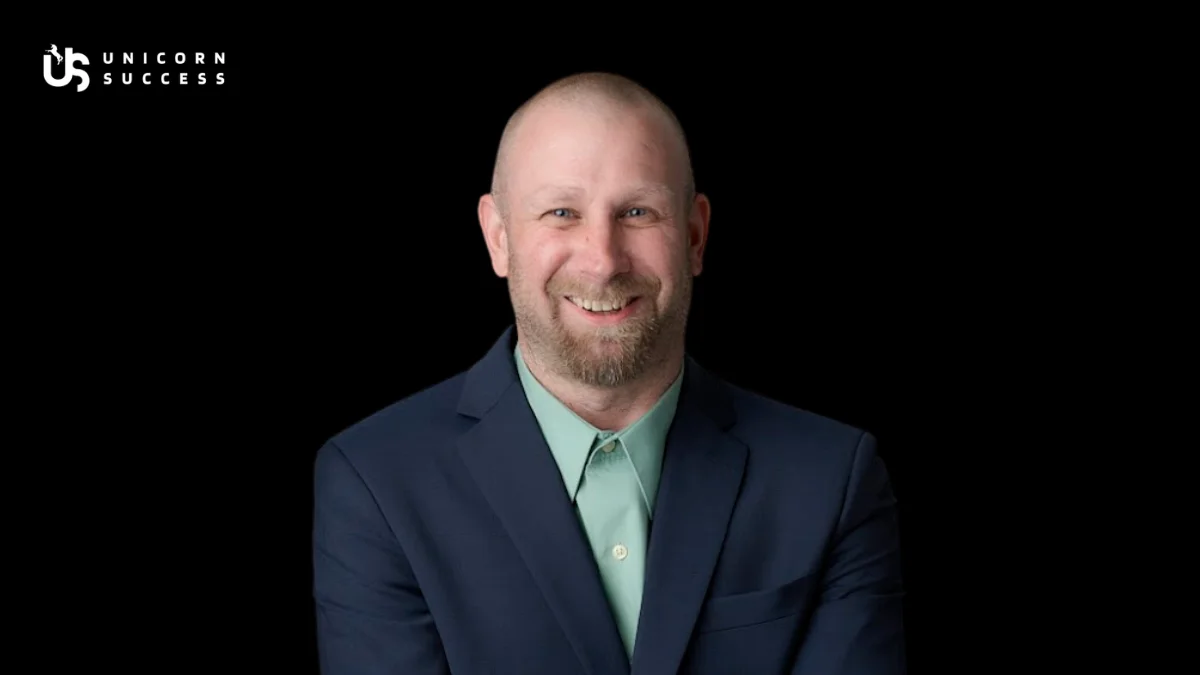
Tell us your name, your company name, and what your business does.
My name is Andrew Hanson of Cityscape LLC and I am excited to share my professional journey and advice I have for aspiring entrepreneurs. I founded Cityscape in 2011 with my wife Meghan as a fix-and-flip real estate company. Today, it has evolved into a multi-entity real estate ecosystem that includes:
- 6 real estate holding companies
- 1 Service company (Construction, Maintenance, REO Servicing)
- Multiple storage facilities and other miscellaneous rentals
- A vacation rental company with 6 short-term rental properties
In 2023, we expanded into Cash Street Technology supporting business owners and real estate investors and Cash Street Advisors Press, now representing 22 authors with 6 titles published and multiple awards won in the real estate category.
Core Problem We Solve: We identify underperforming assets—properties, businesses, and even personal brands—and reposition them for long-term performance and value creation with proper entity structure and strategic planning.
What inspired you to start this business?
Necessity and vision. We moved to rural New Hampshire in our early twenties with $3,000, no jobs lined up, and no safety net. I started as a maintenance technician, while Meghan began in a bank file room.
We saw distressed properties everywhere after the 2008 crisis—but more importantly, we saw opportunity where others saw risk. Cityscape started with one principle: Buy it right. Improve intelligently. Operate with honesty and integrity.
Did you have a background in this industry before starting out?
Yes, but it was earned through hands-on experience. My experience as a maintenance technician paved the way to managing large multifamily and mixed-use portfolios before launching Cityscape, including turning around distressed complexes and overseeing multimillion-dollar capital improvements.
Meghan built deep expertise in commercial loan servicing and workouts, handling distressed borrowers, SBA liquidations, and complex financial negotiations. Our early advantage was simple: Operational expertise + financial risk mitigation.
How did you land your first few customers or clients?
We started with fix-and-flip properties and found huge success in that area that caught the attention of local realtor organizations. Realtors began hiring us to improve properties before listing them. We became well known in New Hampshire for our real estate expertise and demand for our services continued to grow.
Banks and institutional asset managers began trusting us with REO and distressed assets. We built credibility through execution and fast turnaround times—not marketing. Word of mouth from realtors and bankers became our growth engine, leading us to manage and maintain over 400 REOs per year in NH and VT.
We accomplished these results through utilizing these tactics:
- Delivering faster turnaround times than competitors
- Maintaining strict compliance standards
- Building relationships with local bankers
- Focusing on high-ROI improvements to maximize property valuations
- Saying “yes” to complex projects others avoided
Also Read: How Saurabh Bhatt Scaled Supportsoft to $1.3M Empowering SMEs with Scalable Tech
What was your business model when you started—and has it changed over time?
Original Model: Acquire distressed properties → Renovate → Sell for profit. Evolved Model: Service assets for realtors, investors, and banks → Generate strong active revenue → Redeploy profits into long-term asset holdings under separate entities. The service company became the capital engine that funded the portfolio.
The model didn’t change philosophically—it expanded strategically. We positioned ourselves as reliable turnaround experts, pricing based on project complexity and value-add, differentiating through speed, compliance, and a willingness to tackle high-risk assets.
What was your exact timeline to $1 million in revenue?
Cityscape crossed $1M in revenue multiple times in the early stages, and within the first 4–5 years of operation, we were expanding Cityscape crossed $1M in revenue yearly in the early stages, and within the first four to five years of operation, we were scaling rapidly. But what’s important is not just that we hit seven figures — it’s how we handled it.
We made a deliberate decision early on that revenue would not translate into lifestyle inflation. We did not expand our personal overhead to match business growth. Instead, we reinvested aggressively into income-producing assets, operational capacity, and long-term positioning.
Years one and two were heavily focused on fix-and-flips. That phase taught us speed, capital recycling, construction management, and risk tolerance. Flips created chunks of capital, but they were inconsistent and dependent on market timing. We learned how to move quickly, manage crews, control budgets, and exit projects profitably — but we also learned that transactional income alone doesn’t build durable stability.
By years three and four, we shifted toward servicing contracts, which was a strategic pivot. Servicing introduced recurring work, consistent invoicing, and daily operational rhythm. This is when we began hitting consistent $1M+ annual revenue with greater predictability.
Instead of relying on large but sporadic paydays, we built a steady operational engine. That recurring base revenue reduced volatility, stabilized payroll, strengthened vendor relationships, and allowed us to plan forward rather than react month-to-month.
Years four and five and beyond marked the transition from revenue generation to asset accumulation. The profits from servicing were redirected into a buy-and-hold portfolio structured under separate holding companies.
This was intentional wealth architecture. We weren’t just trying to grow top-line revenue — we were converting earned income into equity, leverage, and appreciating assets. That shift created true balance sheet growth and positioned us for long-term compounding rather than short-term wins.
Crossing $1M early was meaningful, but the real milestone was learning how to allocate capital with discipline. Revenue proved we could operate. Reinvestment proved we could build rapidly.
We reinvested into income-producing assets instead of inflating lifestyle or salaries. Key milestones: Year 1-2 focused on fix-and-flips; Year 3-4 shifted to servicing contracts, hitting consistent $1M+ annually; Year 4-5+ built the holding portfolio.
Must Read: How Divya Gugnani Scaled 5 SENS to a $1M+ Fragrance Brand in Its 1st Year
What was the biggest turning point in your growth journey?
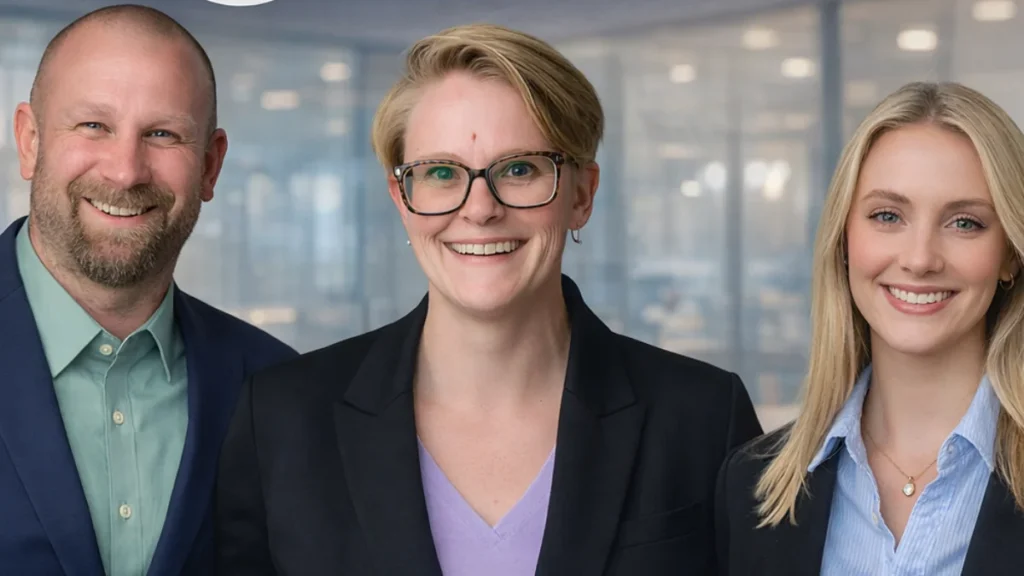
Looking back, we can clearly see four defining moments that changed the trajectory of our journey.
The first was transitioning from fix-and-flips to institutional asset servicing. Fix-and-flips created income spikes, but they were transactional and unpredictable. Asset servicing introduced recurring revenue, daily work orders, and consistent invoicing.
It stabilized payroll and eliminated downtime. When client work slowed, we could redirect employees to our own projects, keeping everyone productive. Vendors and subcontractors also benefited from increased volume, strengthening our ecosystem. That shift increased the velocity of money and transformed our operation from deal-chasing to building a reliable machine.
The second major pivot was redirecting service profits into buy-and-hold investments under separate holding companies. This is where we began building real, leverageable wealth. Instead of consuming profits, we deployed them into assets that produced cash flow and appreciated over time. Structuring these investments separately created protection and scalability.
It also fed more work back into our construction and maintenance teams, creating a self-reinforcing cycle. Service work generated income, but ownership built equity and long-term balance sheet strength. That was the moment we moved from earning income to building generational assets.
The third shift came through serving on nonprofit and financial boards within our community. Governance changed our lens. We gained exposure to high-level financial modeling, regulatory thinking, strategic planning, and mission-driven leadership. Watching consultants present to boards and observing how complex institutions are steered sharpened our strategic discipline.
It expanded our visibility and credibility in the community while deepening our understanding of risk, accountability, and long-term planning. We brought that structure and perspective back into our companies, strengthening decision-making and elevating our internal standards.
The fourth pivot was becoming thought leaders, mentors, and publishers. This decision moved us from purely transactional income into intellectual property and authority-based influence. By building books, royalties, educational platforms, and brand equity, we created long-term compounding opportunities. Storytelling became a strategic advantage.
Sales and storytelling are inseparable for any entrepreneur; you must know how to communicate vision, value, and belief. Publishing and mentorship allowed us to scale impact without scaling overhead, build lasting assets beyond physical property, and help other business owners navigate their own struggles and ambitions. That shift positioned us not just as operators, but as architects of influence.
What marketing channels or strategies worked best for you in getting to $1M?
Our marketing strategies developed from our boot-strap-startup nature. In the beginning we did not have a large marketing budget, so we had to get the word out in more unique ways. This meant no paid ads, growth came from:
- Bank relationships
- Realtor partnerships
- Institutional trust
- Reputation for execution
- Community involvement on Boards
- Publishing authority: visibility doing the work in the market was our marketing strategy
What were the top 3 challenges you faced while scaling—and how did you overcome them?
- Cash flow management in construction and servicing contracts—overcome by strict budgeting, phased invoicing, and building reserves.
- Scaling operations without losing quality control—addressed through standardized processes and selective hiring.
- Wearing too many hats early on—resolved by delegating and building a trusted team.
Was there a moment you felt like quitting? How did you push through it?
Yes, particularly during high-risk renovation cycles when margins were thin and payroll pressure was extremely high.
What kept us moving forward? We trusted fundamentals over emotion, and we trusted each other’s complementary skill sets, knowing the results would pay off.
What’s one mistake you made early on that taught you something invaluable?
In the early days, we believed hard work was the advantage. If something needed to be done, we handled it ourselves. Hustle created income, and grit carried us through those first growth years. But we underestimated how fragile that model was. The business depended on our memory, our availability, and our energy. When we were stretched thin, things slipped. Growth felt chaotic instead of controlled.
What we eventually learned is simple: hard work creates income, but systems create scalability. Once we began documenting processes, standardizing workflows, tracking numbers, and implementing technology, everything became more predictable. Communication improved, billing tightened up, and employees operated with more clarity and autonomy. The business stopped relying solely on effort and started relying on structure.
That shift reduced stress and increased capacity. Without systems, you own a demanding job. With systems, you build a company that can grow beyond you.
What’s one thing about hitting your first $1M that no one talks about?
It doesn’t feel that life-changing. The real shift isn’t revenue—it’s responsibility, more work, correct systems, and proper staffing. The discipline that gets you to $100K is the same discipline that gets you to $1M. Just repeated longer.
How did your role evolve as the business grew? Did you have to let go of things? Delegate? Build systems?
I moved from hands-on operator to strategic allocator of capital and visionary leader. Meghan shifted from operational execution into CFO oversight, governance, HR, and risk management. We had to delegate tasks—but never lowered our standards. Building systems was key to letting go.
If you had to start over from scratch, what would you do differently?
We would:
- Build systems earlier
- Acquire more aggressively during downturns
- Trust and expand our team sooner with appropriate direction
Where is your company today—and what’s next?
Mach will officially mark 15 years in business. We are so proud to be crossing this milestone as most companies don’t make it past year 1 or 2. Our current structure includes maintaining the operation of our 6 real estate holding companies, downtown commercial assets, 6 rental properties, multiple seven-figure portfolios.
We are also excited to continue working with our award-winning 25 authors and 6 published titles under Cash Street Advisors Press. Our upcoming goals include increasing the number of retreats held annually and developing a deeper focus on publishing and expanding the asset portfolio under Cityscape. It is important to continue to pursue new goals as stagnation can kill a business quickly.
What are you currently obsessed with or optimizing in your business right now?
It is crucial for businesses to always be on the hunt for new trends and technologies that they can apply to their process, and we are no different. We are currently interested in several new methods for optimizing our business, including:
- Capital allocation efficiency
- Experience-driven hospitality
- Publishing infrastructure
- Building authority through authorship
- Long-term asset compounding
Must Read: 12 Lessons from PayPal CEO Alex Chriss
Do you still feel connected to the mission that started it all?
More than ever. We started wanting freedom and stability. Now we focus on helping others build the same—through assets, education, and authorship.
What’s your best piece of advice for entrepreneurs who are trying to hit their first $1M?
My top 5 tips are:
- Monetize skills before chasing equity
- Reinvest active income into appreciating assets
- Build reputation before overdoing brand assets
- Use uncertainty to acquire or grow
- Think in decades, not quarters
Any books, habits, or tools that played a key role in your success?
One of the most important habits in our journey has been constant reinvestment — not just into assets, but into ourselves. Before we could scale businesses, we had to scale our discipline. For years, that meant waking up at 5:00 AM, starting the day with intention, and committing to growth before the world demanded anything from us.
We built what we now call the Abundance Mastery journey — a daily discipline rooted in mindset, clarity, financial education, and personal responsibility. The philosophy is simple: invest in yourself first so you can serve others at a higher level through your businesses, partnerships, and community leadership.
Books played a major role in shaping that mindset. Think and Grow Rich by Napoleon Hill has been a foundational influence and remains a personal mantra. Beyond reading, we focused heavily on real estate education and operational mastery — understanding not just how to acquire property, but how to manage, systematize, and scale it responsibly.
Tools and habits matter, but discipline compounds. The consistent decision to reinvest profits, protect mornings, sharpen our thinking, and stay students of the game created the long-term results. Success wasn’t a single breakthrough moment — it was daily alignment stacked over years.
Anything else you’d like to share with our readers?
Most people think wealth starts with capital. It starts with competence.
We built: Skill → Revenue → Reputation → Capital → Assets → Authority.
From one small fix-and-flip company to a multi-entity real estate and publishing ecosystem. Not overnight—over 15 years. Most people build income. We built assets.
Bonus Marriage Tip—and especially for couples in business together—things can sometimes get messy or overwhelming. Communication is the heartbeat of success, and our best advice as a couple is simple: press “The Reset Button.” Whenever life feels heavy, we pause to breathe, reflect, and reset.
This practice has helped us stay grounded through every season of growth, and it inspired us to create the Abundance Mastery Journal for Couples—a weekly guide designed to help you set goals, strengthen connection, and find harmony together, as we have in our 25 years as a couple. Working together as a couple, our complementary skills became our secret weapon.
My Top Real Estate Tip: “Buy It Right” When it comes to investing in rental properties, the old real estate adage holds true: you make your money on the buy. Whether you’re purchasing a vacation cabin or a city condo, do your due diligence and stick to the numbers. We’ve seen plenty of people get caught up in the emotion of a beautiful home or a “gut feeling” about a location.
But we can’t stress enough how crucial it is to stick to a solid investment principle—the property must have cash flow on realistic projections. We always approach deals by asking, “Does this property make financial sense as a rental from day one?” If the answer is no, we walk away, no matter how charming the place is.
“Mindset was the next level for us” Coming from basic backgrounds required a shift in mindset that most aren’t willing to tackle. Self-development and working on oneself is just as important as anything else in business and life. Books like Napoleon Hill’s Think and Grow Rich have been great mentors of mine while developing myself in the business world.
Learning words and their true meanings—think of it: words are free. You can educate yourself on the topics, correct language, and proper verbiage used in one’s field of work. You just have to be willing to learn and continue to grow.
Also Read: How Kateryna Odarchenko Scaled SIC Group to $1M in Just 2 Years
Inspired by Andrew Hanson’s journey building Cityscape LLC into a multi-million real estate business? Share this story with a fellow founder. It might be the push they need to build something sustainable.
At Unicorn Success, we spotlight fearless founders and Zero to Million . Have one of your own? Submit it through our Contact form—your journey could inspire entrepreneurs around the world.
