

How Dimitar Dechev Built Super Brothers into a $1M+ Licensed Home Services Business
After losing his job, Dimitar Dechev chose discipline over shortcuts. In this interview, he explains how he built Super Brothers Plumbing, Heating & Air on licensed expertise, clean operations, and trust-first systems—showing you how a service business can scale to $1M+ without compromising on quality.
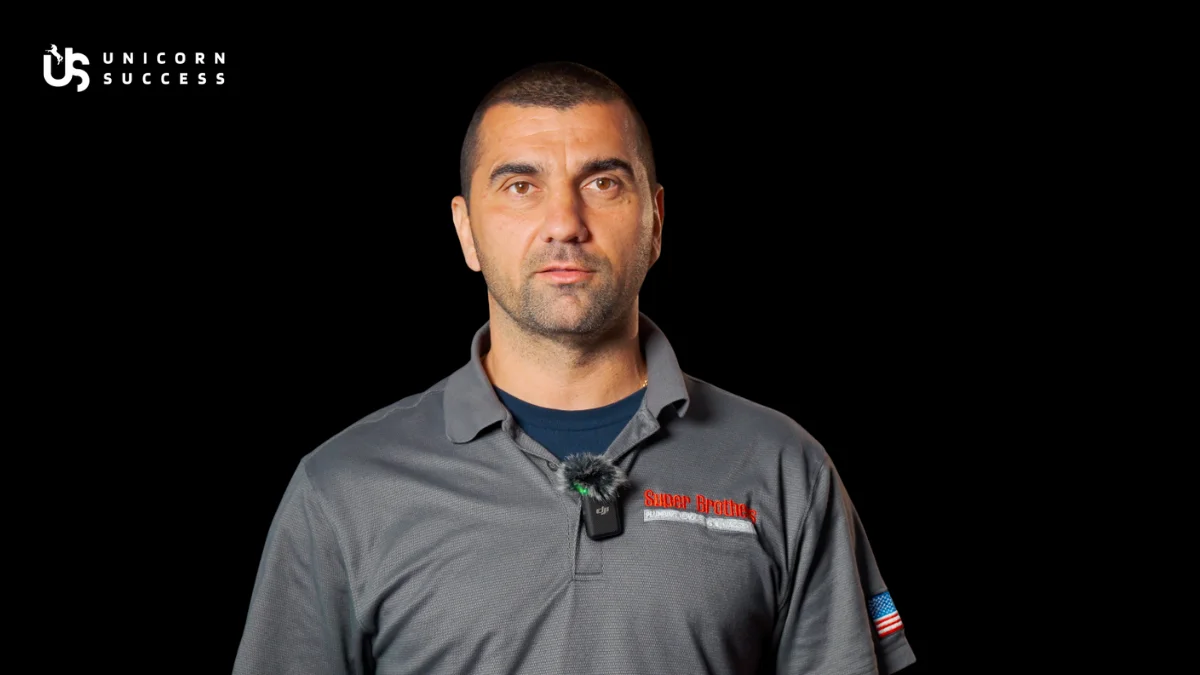
I’m Dimitar Dechev, owner-operator of Super Brothers Plumbing, Heating & Air. We’re a licensed home services company providing plumbing, HVAC, electrical, and electrification work—everything from everyday residential repairs to permit-driven installations, inspections, and utility-backed rebate programs.
At our core, we solve a simple but critical problem: homeowners need work done correctly, legally, and reliably in an industry where shortcuts are common. That means permits pulled when required, code followed, technicians properly trained, and clear communication—even when it makes the job harder.
Why I Started It: Turning Job Loss into Ownership
The real trigger was losing my job.
The company I worked for filed for bankruptcy, and overnight I was without work. Instead of immediately looking for another job, I decided to build something of my own using the skills I already had.
I didn’t start with investors or a detailed business plan. I bought a used van for about $10,000 and started advertising. From the very beginning, this was a family business. I started it together with my wife — she supported the business from day one and even built our very first website herself.
There was no safety net, and every decision mattered. Starting small forced us to be disciplined, resourceful, and focused on doing honest, high-quality work that would lead to repeat customers. That foundation — family, responsibility, and real skills — is still what the business is built on today.
My Background: Learning the Trade Before the Business
Yes. I came from a hands-on trade background, not from tech or finance.
What helped me most early on wasn’t business theory — it was understanding how work actually gets done in the field. I knew how systems worked, how inspections and permits affected timelines, and how mistakes could create serious problems for customers and contractors alike.
That experience gave me a realistic view of the industry from the start and taught me discipline and respect for proper processes, which later became critical as the company grew.
The First Moves: How We Landed Our Very First Customers
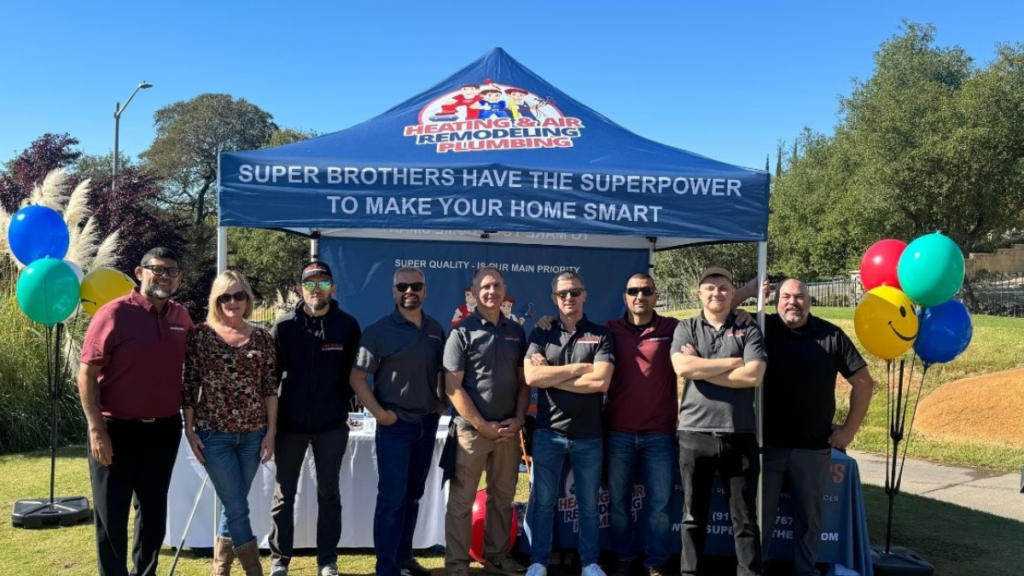
At the beginning, there were no funnels, ads, or growth hacks.
Most of our early customers came through word of mouth. I focused on doing very high-quality work and charged minimal pricing in the beginning to attract more clients and build trust. I handled the jobs myself, communicated clearly, and made sure everything was done properly.
After each job, I asked customers directly: if they were happy with the service, I encouraged them to share their experience with friends or leave a review on Google or Yelp. That simple habit made a big difference.
Trust became the real growth engine. People remembered reliability and quality far more than any marketing message.
How the Business Model Started and Why It Never Cut Corners
At its core, the business model has stayed the same from the beginning.
My approach was simple: do everything the right way. Do the maximum you can do on every job, follow the law, pull permits when required, and pay technicians fairly. I believed that if we built the business on those principles, we wouldn’t constantly be fighting problems later.
This approach meant our path was slower than some other companies. We didn’t try to cut corners or chase fast money. We chose to grow carefully and honestly, even when that meant progress took more time.
Because we learned to operate correctly from the very beginning, this way of working became a habit. Today, we don’t live in constant fear that something will go wrong. Even when challenges come up — and in construction they always do — your conscience is clear. You know the work was done properly, and that confidence allows you to stand behind your business.
Reaching $1 Million: A Steady, Disciplined Path
Our path to $1 million wasn’t fast or flashy.
The early period was focused on survival and learning. I was doing most of the work myself, figuring out pricing, permits, scheduling, and customer communication. Revenue grew slowly but steadily.
As the business matured, growth came in stages. We added technicians carefully, built systems, and learned how to manage volume without sacrificing quality or compliance. There was no single breakthrough moment — just consistent progress over time.
Reaching $1 million was the result of repeat customers, earned trust, and doing real work correctly, not funding or shortcuts.
The Big Turning Point: Systems Over Effort
The biggest turning point was realizing that systems matter more than effort.
Working harder solved problems early on, but it stopped being enough as the business grew. We needed structure — for dispatch, permits, inspections, hiring, and communication.
Once systems were in place and consistently followed, the business became more predictable. Problems didn’t disappear, but they became manageable. That shift allowed us to grow without losing control.
Marketing That Actually Worked
Reputation worked better than marketing.
Local visibility through Google Business Profile, reviews, and word of mouth played the biggest role. Customers trusted real experiences from other homeowners more than ads.
Marketing supported the business, but it never replaced fundamentals. Growth came from trust built over time.
Also Read: How Nikita Sherbina Scaled AIScreen to $1M+ by Reinventing Campus Communication
Top 3 Challenges We Faced While Scaling
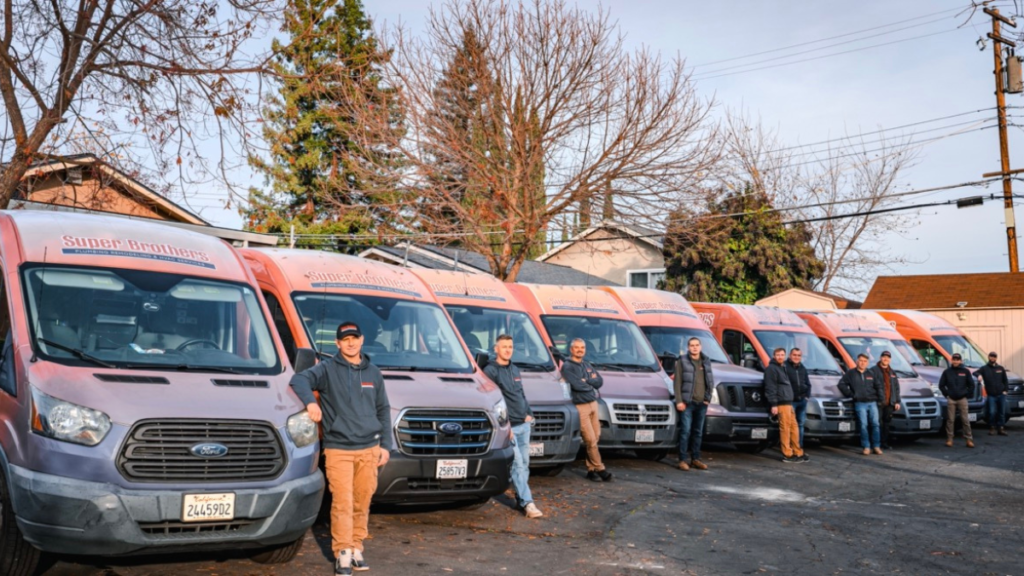
The first major challenge was hiring the right people. Skilled technicians are hard to find, and hiring the wrong person can cost you time, money, and reputation. We learned to slow down the hiring process, set clear expectations, and invest in training instead of rushing to fill positions.
The second challenge was cash flow. In a service business, expenses come first — payroll, insurance, vehicles, permits — while payments often come later. We became more disciplined with pricing, scheduling, and job selection, which helped stabilize cash flow over time.
The third challenge was scaling without losing quality or compliance. As volume increased, it became harder to personally oversee every detail. The solution wasn’t working more hours — it was building systems, documenting processes, and holding everyone accountable to the same standards.
A Near-Quit Moment That Tested Everything
There were many moments when quitting crossed my mind.
One of the hardest happened about two years after I started the business. At that point, we had around ten employees. Almost in a single day, four of them left. They decided to start their own company and tried to take clients with them.
That was extremely painful for me. None of them had strong technical or planning skills when they started — I personally trained them, taught them how to work, how to plan jobs, and how to handle HVAC systems. To see them leave that way felt like a personal betrayal.
What helped me push through was learning not to get stuck in emotions. Over time, I trained myself to acknowledge the problem, step back for a moment, and then make decisions with a clear, calm mindset.
Today, we don’t panic when something difficult happens. We identify the issue, give ourselves just enough time to think, and then solve problems without emotion. That shift in mindset changed not only how I handle challenges, but how the business operates as a whole.
My Biggest Early Mistake
One of my biggest early mistakes was trying to do too much myself for too long.
I believed that being involved in everything would protect quality, but in reality, it slowed growth and increased stress. Eventually, I learned that trust, training, and systems are what actually protect quality — not micromanagement.
Letting go wasn’t easy, but it was necessary to build a business that could function consistently without depending on one person.
What No One Tells You About Your First $1M
What most people don’t talk about is that reaching $1 million doesn’t make the business easier — it often makes it heavier.
Responsibility increases. Decisions carry more weight. There are more employees, more customers, more legal and operational obligations. At that stage, mistakes become more expensive, and shortcuts become more dangerous.
For me, hitting $1 million wasn’t a finish line. It was the moment I realized the business needed to be managed even more carefully than before.
How My Role Changed as the Company Grew
In the beginning, I was everything — technician, dispatcher, manager, and owner.
As the business grew, I had to slowly step away from daily technical work and focus more on decision-making, systems, and people. That wasn’t easy. Letting go always feels risky, especially when quality matters.
Over time, I learned that my role wasn’t to do the work myself, but to make sure the work could be done correctly even when I wasn’t present.
What I’d Do Differently If I Started Again
If I were starting again, I would build systems earlier.
I would spend more time documenting processes, setting clear rules, and hiring more carefully from the beginning. I would also be more selective with growth and less focused on speed.
Growing slower but cleaner would still be my choice — but I would structure the business earlier to reduce stress and avoid unnecessary mistakes.
The Present & Future: Where Super Brothers Stands Today
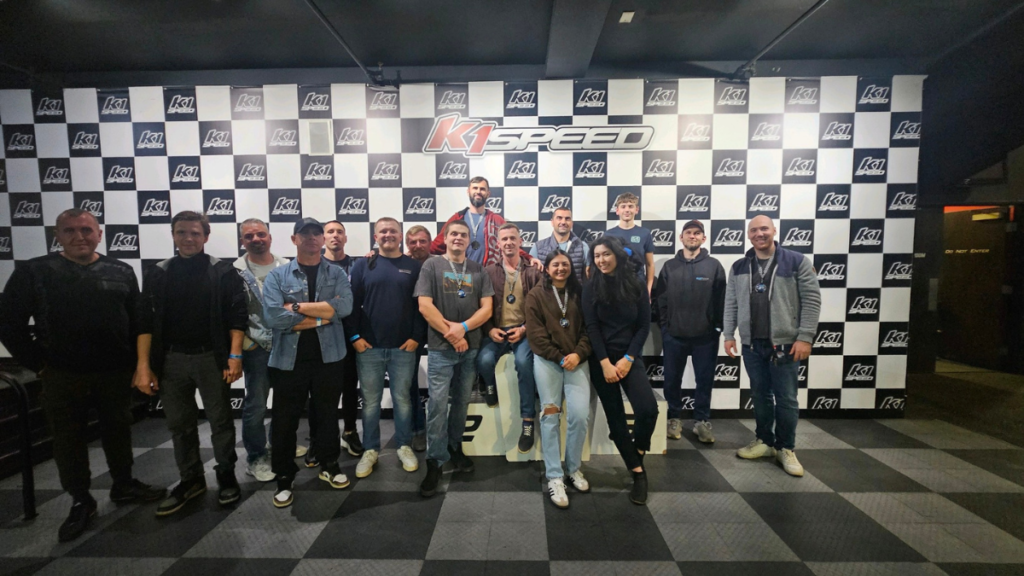
Today, the company operates as a structured, licensed service business with multiple teams and locations. We focus on residential plumbing, HVAC, electrical work, and electrification projects that require permits, inspections, and strict compliance.
Our priority now is not aggressive expansion, but stability and consistency. We want every location and every team to operate at the same standard, without depending on individual personalities. What’s next is continuing to strengthen systems, training, and long-term reliability.
Also Read: How Max Shak Turned nerDigital Into a $1M Marketing Agency in 3 Years
What I’m Focused on Right Now
Right now, I’m focused on processes.
That includes technician training, internal communication, scheduling discipline, documentation, and compliance. Small improvements in these areas reduce stress, prevent mistakes, and protect both customers and the business.
I’ve learned that optimization isn’t about doing more — it’s about doing things more consistently.
Still Connected to the Mission
Yes, more than ever.
As the business grows, the responsibility grows with it. Every decision affects employees, customers, and families. That keeps me grounded in the original mission: to build a company that does honest work, follows the law, and stands behind every job.
The mission hasn’t changed — the scale has.
Best Advice to Hit Your First $1 Million
Focus on fundamentals before growth.
Learn your industry, respect the rules, price your work correctly, and build trust with customers. Fast growth looks attractive, but it often hides problems that surface later.
A clean, stable business will always outlast a fast one built on shortcuts.
Books, Habits, and Tools That Helped Me Build Super Brothers
The most important tools for me weren’t books or software — they were habits.
Consistency, discipline, documenting processes, and reviewing mistakes honestly made the biggest difference. Over time, those habits became systems that allowed the business to grow without losing control.
Hard-Won Truths I Live By
Real businesses aren’t built overnight.
They’re built through daily decisions, responsibility, and a willingness to do things the right way even when it’s harder. If you can build something you’re not afraid to stand behind, you’re already ahead.
👉 Inspired by Dimitar Dechev’s journey building Super Brothers Plumbing, Heating & Air into a $1M+ licensed home services business—without cutting corners? Share this story with a fellow founder. It might be the push they need to build something they’re proud to stand behind.
At Unicorn Success, we spotlight fearless founders and Zero to Million . Have one of your own? Submit it through our contact form—your journey could inspire entrepreneurs around the world.
