

How Nirmal Gyanwali Scaled WP Creative Into a $1M+ Web Performance Agency
In this interview, Nirmal Gyanwali, Founder of WP Creative, shares how he built the company into a $1M+ web performance agency by redefining websites as performance systems—not one-off projects. From bootstrapping with an $18,000 loan to pioneering subscription-based web optimisation for scaling brands, his journey shows you how focus, margin discipline, and compounding systems can drive sustainable growth over time.
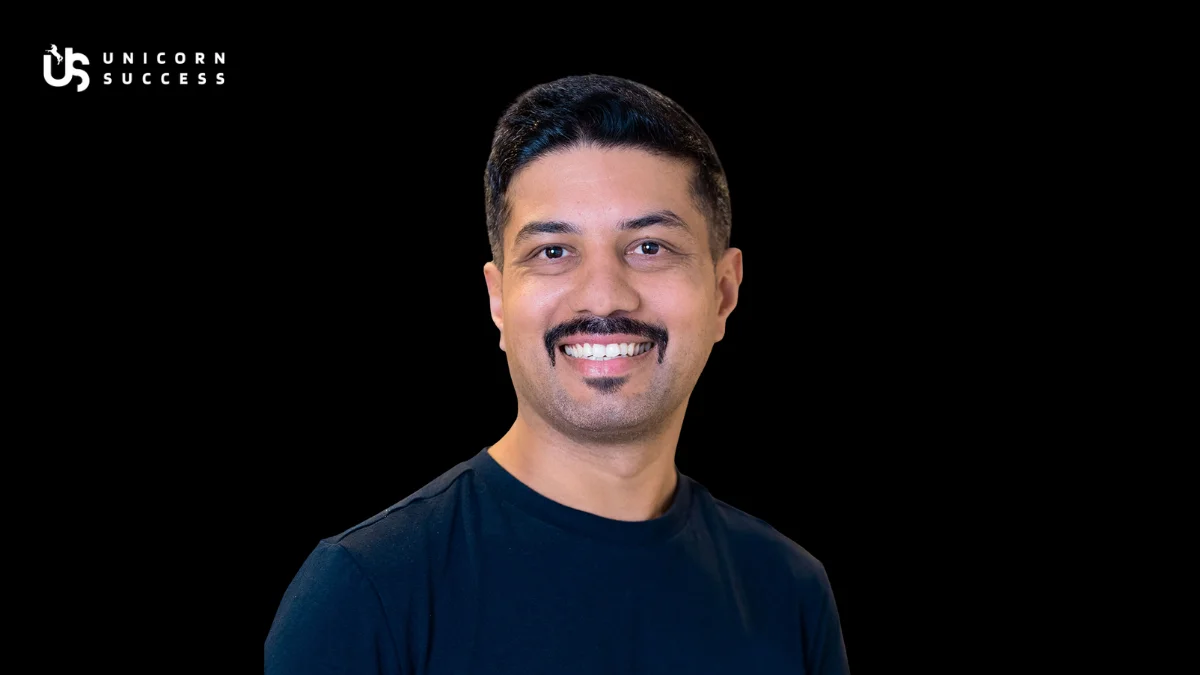
My name is Nirmal Gyanwali, and I’m the Founder and CEO of WP Creative. WP Creative isn’t a traditional web agency. We are a web performance partner for scaling brands – built for marketing teams who can’t afford slow websites, fragile infrastructure, or reactive vendors.
Over the last decade, I’ve learned something most companies discover too late: At scale, your website is not a project. It’s a performance system. And most businesses are still treating it like a brochure.
The Frustration That Sparked WP Creative
The idea for WP Creative came from frustration.
I worked inside digital agencies and product teams where marketing teams had great ideas, strong budgets, and ambitious targets, but their websites constantly slowed them down.
Developers didn’t understand marketing.
Marketing teams didn’t understand technical constraints.
And the website became the bottleneck.
I saw companies spend $100k+ on redesigns, only to end up with slower sites, worse conversions, and more technical debt.
I started WP Creative in 2015 to bridge that gap.
My goal was simple: build a technical partner that actually understands marketing pressure, deadlines, and KPIs.
That mission later evolved into what we now call Marketechs™. People who think like marketers but execute like engineers.
A Non-Linear Background That Shaped My Perspective
Yes, but it wasn’t linear.
I grew up in Nepal and got my first exposure to computers as a teenager through internet cafés and libraries. I taught myself design, then development, then marketing.
In 2006, I built one of Nepal’s early online health portals, which was later acquired by a pharmaceutical company. That experience taught me how technology, traffic, and business outcomes are deeply connected.
After moving to Australia, I worked across design, development, and senior technical leadership roles. I saw the same pattern repeat at bigger scales:
Websites were being treated as deliverables, not operating systems.
That insight shaped everything I built next.
How I Won My First Clients Without Chasing Scale
The first clients came through referrals.
I didn’t chase scale early. I chased trust.
I worked closely with marketing managers who were frustrated with slow agencies and unreliable freelancers. I positioned myself as someone who could actually fix the problem, not just take tickets.
Early on, I personally handled strategy, delivery, and client communication. That hands-on approach built deep relationships, and referrals followed naturally.
Why the Traditional Agency Model Didn’t Work for Us
Initially, WP Creative worked like most agencies. Project-based builds. Fixed scopes. One-off redesigns.
But over time, I realised this model was broken.
Clients didn’t need another rebuild.
They needed ongoing optimisation, reliability, and fast execution.
So we shifted toward monthly Performance Plans. Continuous improvement instead of big-bang redesigns.
That change became a major growth lever.
Also Read: How Chongwei Chen Grew DataNumen Into a Top Data Recovery Company Serving 240+ Countries
The Real Timeline to Our First $1M in Revenue

The first phase was survival and learning. It took almost 3 years to reach $1M. Until then, it was mostly founder-led delivery, where I was pulled in all directions, from design, dev, and marketing to sales. Until we hired senior teams and built systems and processes, everything depended on me and my partner, Saba.
Hitting $1M wasn’t a single moment.
It was the result of stacking boring, repeatable wins.
The Strategic Shift That Changed Everything
The biggest turning point was moving away from redesigns, rebuilds (one-off projects).
When we stopped selling “new websites” and started owning website performance over time, we crossed a line most agencies never do.
Clients stayed longer. Results improved faster. Revenue became predictable. We became hard to replace.
We stopped chasing projects and started building partnerships.
The Marketing Channels That Actually Drove Growth
We focused on earning trust before buying attention. Inbound marketing and SEO helped us consistently show up when marketing teams were already feeling the pain of slow, unreliable websites.
Referrals became our biggest driver once marketing leaders and performance agencies saw that we delivered speed, reliability, and results.
LinkedIn amplified this by allowing me to share a clear point of view: websites should be performance systems, not redesign projects.
Trust compounded because our message was consistent and proven in practice.
The Three Biggest Scaling Challenges—and How We Solved Them
1. Cash flow in the early years
We started with an $18,000 credit card loan. Survival came first. We stayed lean, cut costs aggressively, and I did most of the work myself until the business stabilised.
2. Hiring too late
I waited too long to bring in senior people. Once I hired experienced leaders, decision-making improved and growth accelerated quickly.
3. Lack of focus
I was trying to do too much and obsessed over how to do everything myself. The real shift came when I filtered out the noise and focused only on the few things that truly moved the business forward.
Why Quitting Was Never an Option
I didn’t seriously think about quitting. That might sound unusual, but I didn’t have a Plan B.
I had a clear vision of what I wanted to build and more importantly, who I wanted to become. This was never just about business success; it was about personal growth and long-term mastery.
We started with an $18,000 loan, and there were months where survival felt uncertain. During those times, I focused on one thing: keep working, keep finding clients, and keep delivering alongside our team in Nepal.
Instead of asking “should I quit?”, I asked “what needs to be done next?”.
That mindset carried us through.
Also Read: How Divya Gugnani Scaled 5 SENS to a $1M+ Fragrance Brand in Its 1st Year
The Early Mistake That Sharpened Our Focus
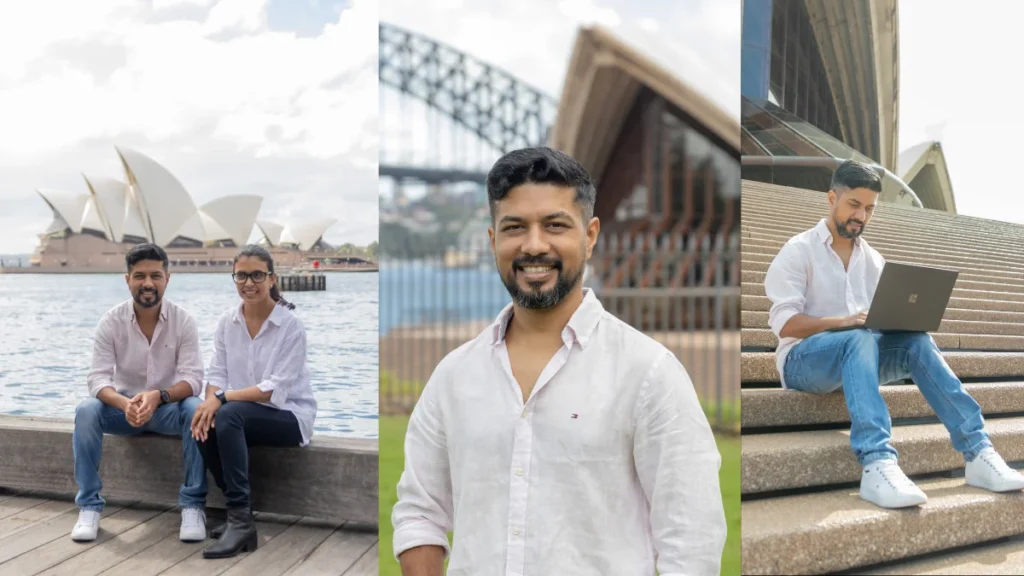
Trying to help everyone.
Early on, I took on small, ad-hoc projects and said yes far too often. It kept us busy, but it diluted our focus and impact.
Everything changed when we got clear on our positioning — where we could be the best and deliver the highest performance outcomes. Once we focused only on that, growth, client quality, and results all improved at the same time.
What No One Tells You About Your First $1M
Revenue alone doesn’t mean you’ve built a healthy business.
You can hit $1M by reselling services and still have weak margins and that’s not sustainable. What actually matters early on is profitability.
Keeping margins high gave us the ability to reinvest in hiring, systems, marketing, and sales. Staying frugal, controlling costs, and protecting margin mattered far more than chasing top-line growth.
Don’t just look at revenue. Margin is what gives you options.
How My Role Changed From Operator to Architect
My role shifted from doing the work to designing the business.
Early on, I focused heavily on how everything got done: delivery, problem-solving, and execution. That worked at the start, but it became a bottleneck as we grew.
The real shift came when I embraced “Who, not How.” Instead of solving problems myself, I focused on hiring and empowering the right people, especially senior leaders and setting clear standards and outcomes.
Today, my role is about vision, focus, and building systems that allow great people to perform at a high level without depending on me. That’s what unlocked scale.
What I’d Do Differently If I Started Again
I would niche earlier, say no faster, and hire senior people sooner.
I spent too long trying to be flexible and helpful. If I started again, I’d lock in our positioning as a web performance partner from day one, focus only on ideal clients, and build around recurring revenue immediately.
Most importantly, I’d invest in experienced people earlier. The right leaders don’t just save time, they change the trajectory of the business.
Where WP Creative Stands Today
Today, WP Creative is a performance-led web partner with a 30+ person team across Australia, USA and Nepal, working with scaling brands where the website is mission-critical.
We’ve moved beyond being a WordPress agency. Our focus is continuous optimisation, speed, reliability, and measurable outcomes for marketing teams under pressure to scale.
What’s next is depth and scale. We’re doubling down on our subscription model, expanding partnerships, and growing internationally – particularly into the US. The goal is to become the default web performance partner for scaling brands, not just another agency in the mix.
What I’m Optimizing Right Now
Removing friction after the click.
We’re currently launching our Web Performance Optimisation (WPO) framework to help clients systematically improve what happens after traffic lands – speed, reliability, conversion, and continuous optimisation.
This positions us as post-click optimisation specialists, not redesign vendors. The focus is on turning paid and organic traffic into measurable outcomes through performance systems, not one-off projects.
At the same time, I’m investing heavily in people and leadership, upgrading our WHOs so the business can scale without depending on me.
The goal is simple: make high performance the default, not the exception.
Why the Mission Matters More Than Ever
More than ever!
The mission has evolved, but the core hasn’t changed. From day one, it was about helping marketing teams move faster without being held back by their websites.
Today, that mission is clearer and bigger. We’re no longer just fixing problems, we’re building systems that remove friction at scale. Seeing teams ship faster, convert better, and stop worrying about their website reinforces why we started.
What keeps me connected is that this is no longer just my mission, it’s shared by the people we’ve built the company with.
The Best Advice for Reaching Your First $1M

Stop chasing growth and start building something that compounds.
Pick a painful problem, solve it exceptionally well, and design your business around recurring value, not one-off wins. Protect your margins early, stay focused, and resist the urge to say yes to everything.
$1M isn’t about doing more.
It’s about doing less, better, for longer until trust and systems do the heavy lifting.
Books, Habits, and Systems That Shaped My Thinking
Books shaped how I think. Good to Great, The Science of Scaling, 10x Is Easier Than 2x, Buy Back Your Time, Traction and Tribal Leadership helped me think in systems, leverage, and long-term growth.
Reading is my main source of learning. I average around 20 books a year.
Habits matter just as much. I wake up early before 4 am, protect deep work time, exercise regularly, and stay deliberately low-noise. No TV, no news, no social media, and no alcohol. That structure keeps my energy, focus, and decision-making sharp.
Consistency beats intensity over the long run.
Also Read: How Dimitar Dechev Built Super Brothers into a $1M+ Licensed Home Services Business
A Final Truth About Building Something That Lasts
Most businesses don’t struggle because they lack effort, they struggle because they’re building on complexity.
Real scale comes from clarity. From choosing fewer priorities, setting higher standards, and designing systems that work without constant heroics. Growth isn’t about doing more; it’s about removing what doesn’t compound.
If there’s one mindset shift I’d offer, it’s this: build your business to support who you want to become, not just what you want to earn. When people, systems, and focus are aligned, growth becomes a by-product, not a fight.
That’s how you build something that lasts.
👉Inspired by Nirmal Gyanwali’s journey building WP Creative into a $1M+ web performance agency—by treating websites as performance systems, not one-off projects? Share this story with a fellow founder. It might be the push they need to build a business they’re proud to stand behind.
At Unicorn Success, we spotlight fearless founders and Zero to Million . Have one of your own? Submit it through our Contact form—your journey could inspire entrepreneurs around the world.
