

How Abhishek Shah Scaled Testlify Into a $1M+ AI-Powered Hiring Platform
In this interview, Abhishek Shah, Founder of Testlify, shares how he built a $1M+ AI-powered hiring platform by solving one of the biggest problems in recruitment: evaluating talent based on real skills instead of resumes. From founder-led outreach and rapid product iteration to scaling a global team and serving companies across 50+ countries, his journey shows how focus, customer feedback, and consistent execution can turn a frustrating hiring process into a scalable SaaS business.
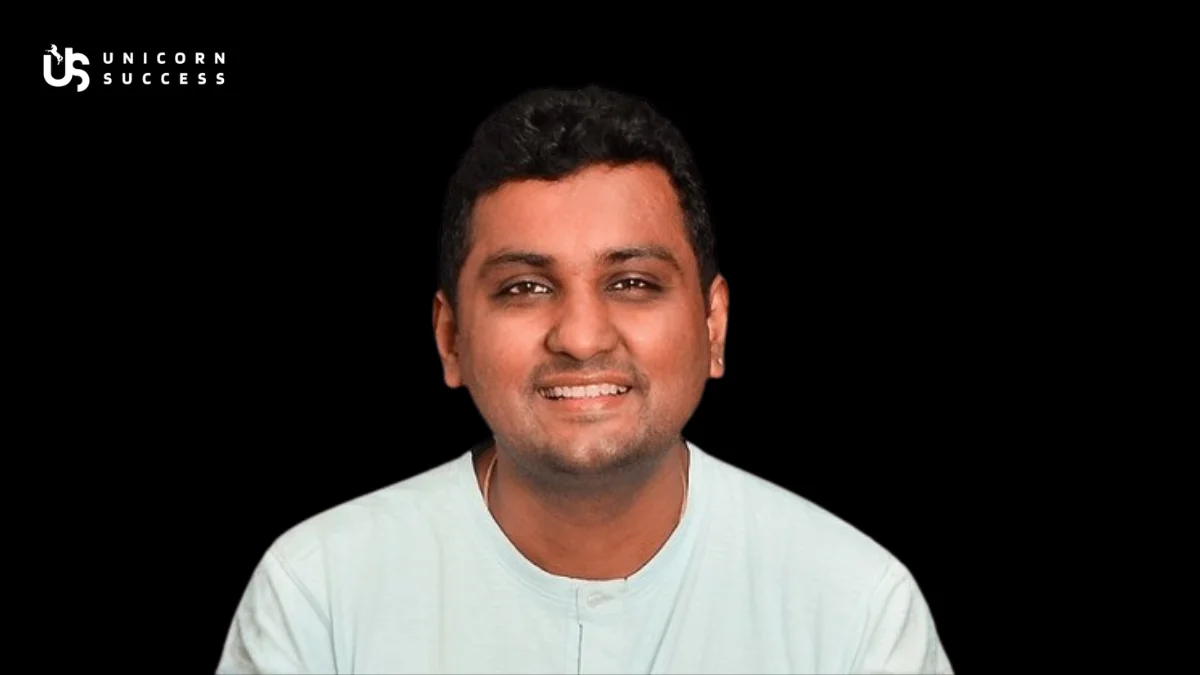
My name is Abhishek Shah, and I’m the founder of Testlify. We are an AI-powered skills assessment and interviewing platform. Our motto is simple: help companies hire based on skills instead of resumes by making technical and non-technical assessments faster, fairer, and actually predictive of job performance.
The idea didn’t come from some grand vision, it came from frustration. Before Testlify, I was on the other side of hiring, trying to evaluate candidates quickly without wasting time or making bad hires. Every tool felt either too long, too generic, or completely disconnected from real-world skills. And candidates hated the process just as much as recruiters did.
That gap stuck with me. Hiring was broken for both sides, and most people had just accepted it as “the way things are.” I didn’t.
I didn’t start with deep expertise in assessments specifically, but I had spent enough time around hiring, growth, and product to understand one thing clearly: the problem wasn’t a lack of tools, it was a lack of practical, usable solutions. Early on, my biggest advantage wasn’t technical brilliance; it was pattern recognition. I knew what felt broken, and I knew what users actually complained about when no one was listening.
The First Moves
Our first customers didn’t come from ads or some big launch, they came from conversations.
In the early days, I spent most of my time reaching out directly to recruiters, founders, and hiring managers. No pitch decks, no polished messaging, just honest questions like, “What’s your biggest pain in hiring right now?” That approach worked better than any sales script because people could tell it was genuine. It opened doors, started real conversations, and helped us understand the problem at a much deeper level.
I also had an advantage; I was already running another business, so I had an existing network to tap into. That, combined with consistent outreach and networking, helped us get those first few users in the door.
What really made a difference, though, was speed. If someone gave feedback, we acted on it quickly. Sometimes within days. That responsiveness became our unfair advantage early on, it showed customers that we were listening and building for them, not just selling to them.
Our initial business model was simple: subscription-based access to assessments. But the positioning wasn’t right at first. We were just “another assessment tool,” and that didn’t resonate.
The shift happened when we focused on outcomes, helping companies hire faster, improve candidate quality, and create a smoother experience. Pricing evolved alongside that, moving from generic plans to more value-based tiers aligned with hiring volume and real usage.
Reaching $1 Million
We didn’t hit $1M overnight and honestly, it was far from a straight line. The early months were messy, iterative, and full of small wins that didn’t always feel significant at the time.
Months 1–3 were all about building, validating, and talking to users nonstop. We weren’t focused on scale, we were focused on understanding. Months 3–6 brought our first paying customers. These were small deals, but they mattered because they validated that people were willing to pay. This phase involved constant iteration, shipping fast, breaking things, and improving based on real feedback.
From months 6–12, things started to shift. Inbound picked up, and word-of-mouth began to kick in. That was a big signal. By year 2, we focused on scaling distribution, refining the product, and building a more predictable revenue engine.
A key turning point was when we stopped trying to be everything for everyone. We narrowed down our ideal customer profile and built specifically for them. That focus improved everything, product clarity, messaging, and conversion rates.
Marketing-wise, what worked best was founder-led content, SEO around hiring pain points, PR and backlinks, and direct outreach. Paid ads didn’t drive early growth, credibility and value did.
Read More: How Andrew Hanson Built Cityscape LLC into a Multi-Million Dollar Real Estate Business
Challenges & Lessons
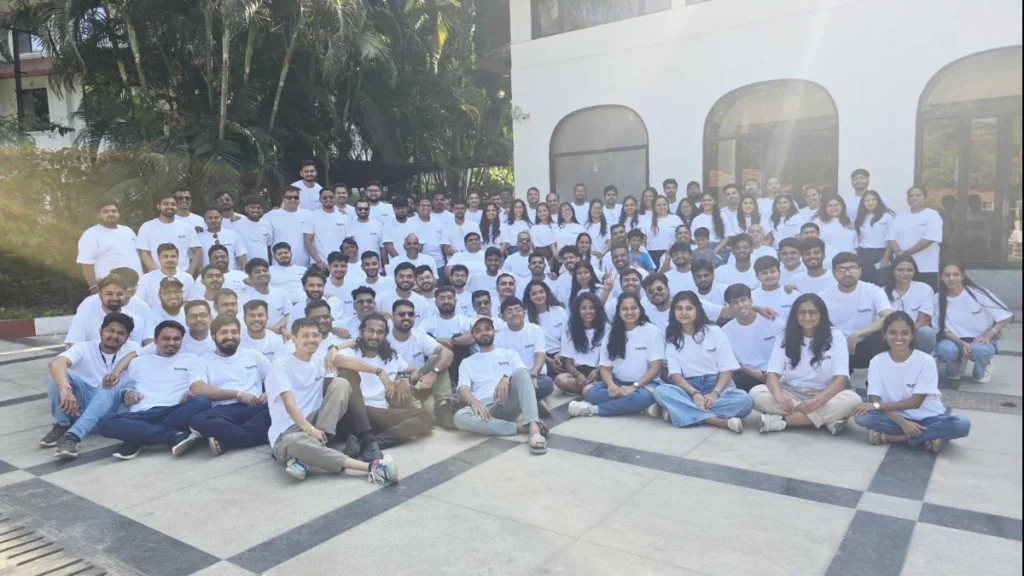
Scaling wasn’t smooth. We went from a 10-person team to 30, and now to an 80+ global team, and each jump forced me to relearn how to operate.
The first big lesson was hiring. Early on, we hired for speed, not fit, and it showed. Some people looked great on paper but didn’t align with how we worked. We fixed it by slowing down and prioritizing alignment over urgency. It made hiring harder, but outcomes much better.
Second was product-market fit. We thought we had it earlier than we actually did. Real clarity came when customers started sticking without constant follow-ups or convincing. Retention told us more than any feedback ever could.
Third was balancing growth and quality. It’s tempting to chase revenue, especially early on, but bad customers or rushed deals create long-term drag. We learned to say no more often, even when it felt uncomfortable.
There were definitely moments where quitting felt easier, especially during plateaus. What helped was perspective, every business goes through those phases. The key is to treat them as feedback, not failure.
One mistake that stands out is overbuilding. We spent time building features no one really asked for because we assumed we knew what users needed. That changed quickly. Now, we build based on clear signals, what users actually say, do, and pay for, not assumptions..
Insights for Founders
One thing no one really talks about when you hit your first $1M is this: it doesn’t feel the way you expect it to. There’s no big, dramatic moment where everything suddenly changes. No clear “we made it” feeling. It just feels like another milestone, and almost immediately, the expectations get higher. More pressure, more responsibility, more to figure out.
The biggest shift is in your role as a founder. In the early days, I was doing everything, sales calls, customer support, product decisions, even small operational tasks. It felt natural because the team was small and speed mattered. But as we grew, that approach stopped working.
I had to step back from day-to-day execution and focus more on systems, hiring the right people, and setting direction. That transition is uncomfortable. Letting go of control is hard, especially when you’re used to being involved in everything. But it’s necessary if you want to scale.
If I had to start over, I’d do a few things differently. I’d focus much earlier on distribution, not just product. I’d spend more time talking to customers before building anything. And I’d avoid perfectionism in the early stages. Speed matters far more than polish when you’re trying to find what actually works.
You May Like: How Divya Gugnani Scaled 5 SENS to a $1M+ Fragrance Brand in Its 1st Year
The Present & Future
Today, Testlify is growing with a clear focus, helping companies make better hiring decisions through skills-based evaluation. We’ve evolved into a single, unified skills intelligence platform that brings together simulations, structured interviews, resume parsing, advanced proctoring, and role-based skill assessments.
What started small has now scaled meaningfully. We’ve worked with 1,500+ companies across 50+ countries, seen 40,000+ recruiter sign-ups, and powered over 1 million assessments. Those numbers matter, but more importantly, they reflect a shift in how companies think about hiring, moving from gut-based decisions to data-backed ones.
We’ve built a strong foundation, and now it’s about scaling intelligently without losing what made us work in the first place.
Right now, I’m deeply focused on a few things. Improving candidate experience is a big one, it’s still massively underrated, and most hiring processes ignore it. We’re also working on reducing friction across the hiring journey, making it faster and more intuitive for both recruiters and candidates. And on the product side, the goal is simple but hard: make assessments shorter, more engaging, and still highly accurate.
The mission still feels very real. If anything, it’s stronger now because we’ve seen the impact firsthand, companies hiring better people, and candidates getting a fairer, more merit-based shot.
Advice for Others
If you’re trying to hit your first $1M, here’s the truth: Don’t overcomplicate it.
You don’t need a perfect product. You need a real problem, a clear audience, and consistent execution.
Talk to users more than you build. Sell before you scale. And don’t chase vanity metrics, focus on revenue and retention. Hire the right people, don’t overthink about money. Pay them the right amount, invest in good tools.
Also, be prepared for it to take longer than you expect. Most “overnight success” stories skip the messy middle.
In terms of tools and habits:
- Writing regularly helped clarify thinking
- Talking to customers weekly kept us grounded
- Staying close to revenue metrics kept priorities clear
No single book or tool changes everything, but consistent action does.
Bonus
Personally from own experience and other founders I know, I can say this: most founders don’t fail because their idea is bad, they fail because they quit too early or chase the wrong things.
Focus is everything.
You don’t need 10 strategies. You need 1–2 that actually work, and the discipline to stick with them long enough.
Also, hiring is one of the most underestimated growth levers. The right people don’t just execute, they multiply outcomes.
At the end of the day, building a business isn’t about big moments. It’s about showing up, solving problems, and staying in the game long enough to win. Keep iterating and keep moving. Don’t get stuck.
Also Read: How Saurabh Bhatt Scaled Supportsoft to $1.3M Empowering SMEs with Scalable Tech
Inspired by Abhishek Shah’s journey building Testlify into a $1M+ AI-powered hiring platform?
Share this story with a fellow founder. It might be the push they need to stay focused, solve real problems, and build something scalable and impactful.
At Unicorn Success, we spotlight fearless founders and Zero to Million . Have one of your own? Submit it through our contact form—your journey could inspire entrepreneurs around the world.
